
Introduction: The Allure of Entertainment
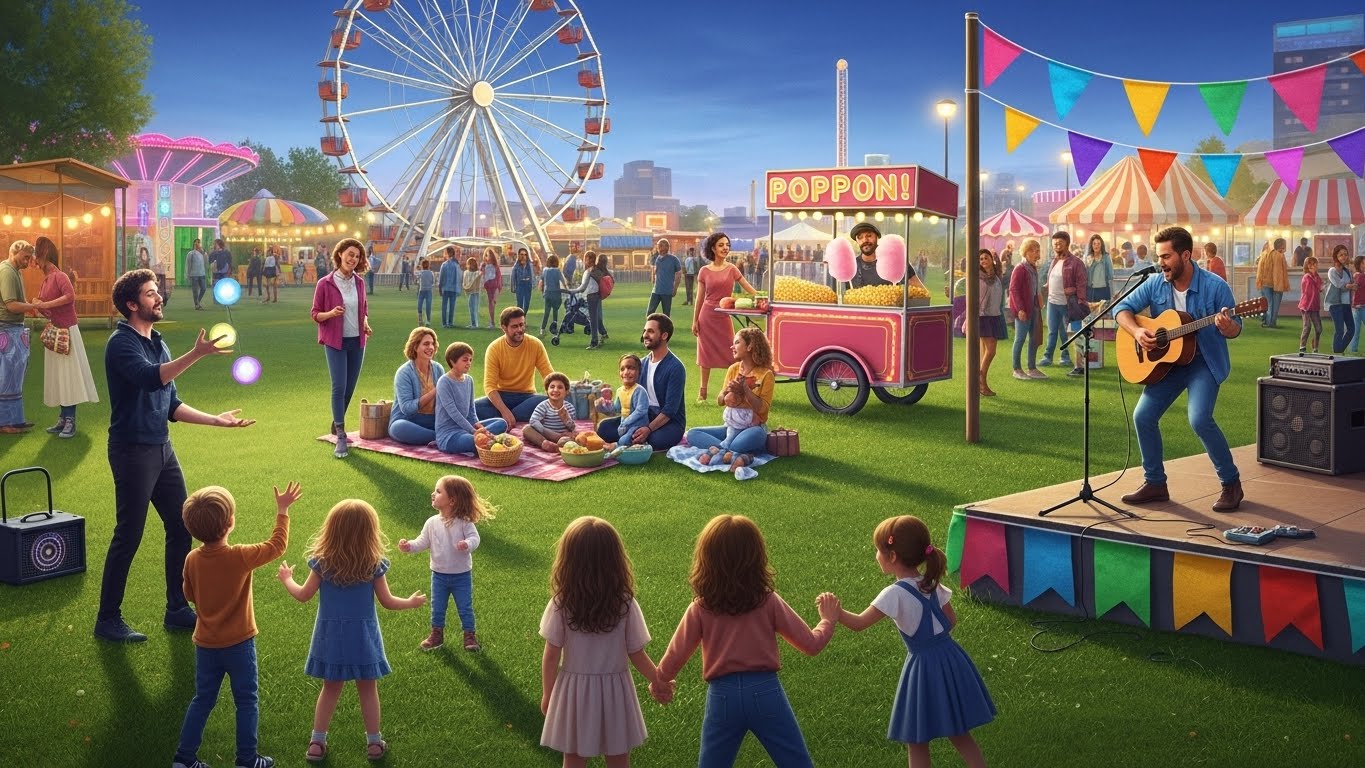
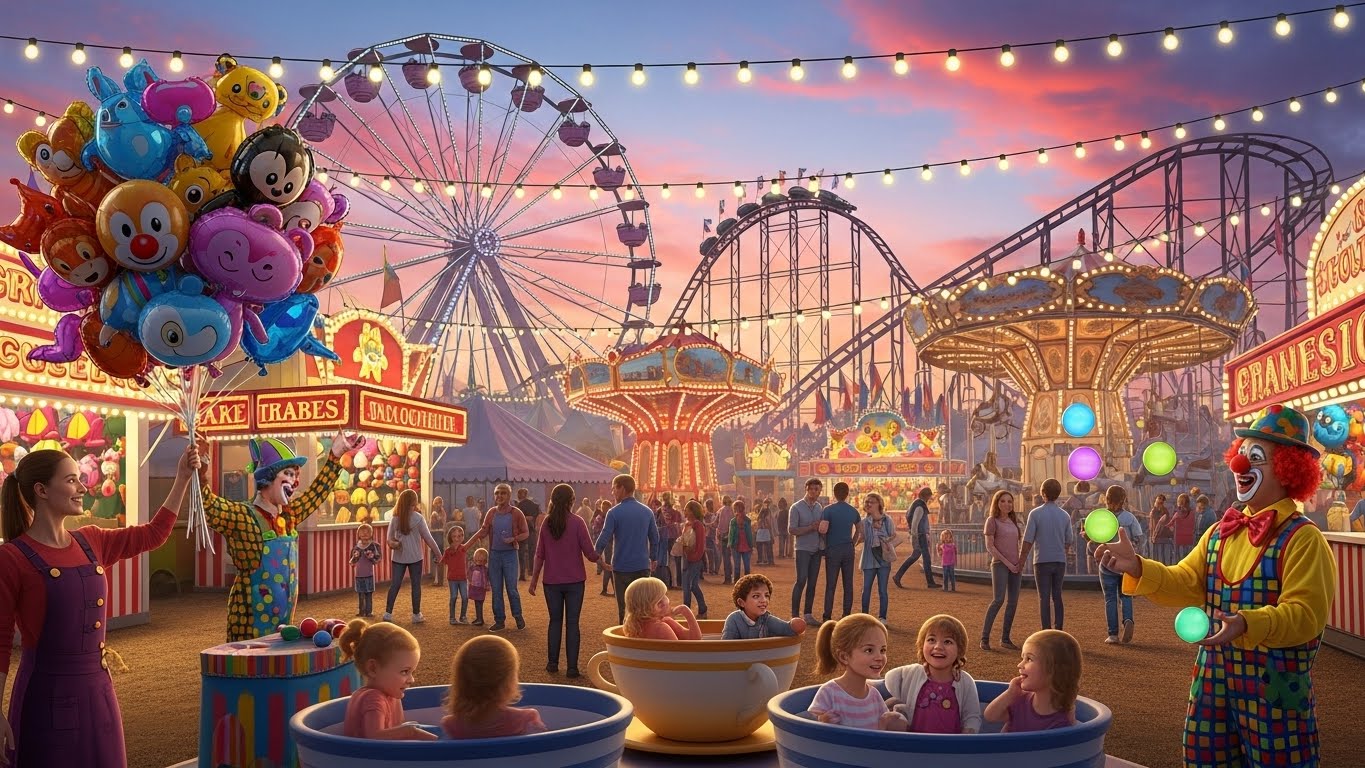
Entertainment is an essential part of human life. It is a source of joy, relaxation, and escape. From the earliest forms of storytelling and performance to today’s high-tech, globalized entertainment industry, the way we consume and engage with entertainment has undergone significant changes. Entertainment has not only served as a means of leisure but has also shaped cultures, influenced societal trends, and bridged communities. In this blog, we will explore the evolution of entertainment, its impact on culture, and the transformative trends that are defining the future of entertainment.
The Early Forms of Entertainment: Tradition and Performance
The roots of entertainment stretch back to ancient civilizations. Early human societies relied heavily on oral traditions, storytelling, and music to convey history, culture, and values. In ancient Greece, for example, theater became an integral part of society with plays performed in large amphitheaters. The ancient Romans also popularized gladiatorial games and public spectacles that drew massive crowds. In Africa, storytelling, dance, and music were vital components of community life. These early forms of entertainment not only provided amusement but also served as social glue, bringing people together and passing on cultural traditions.
Religious ceremonies, festivals, and community gatherings were key occasions for entertainment in almost every culture. Whether it was the ancient Egyptian festivals celebrating the harvest, or European medieval fairs, entertainment was often deeply intertwined with cultural rituals and social functions. This early form of entertainment emphasized live experiences, interaction, and the communal aspect of enjoyment, which continues to be an essential part of entertainment today.
The Rise of Mass Media: The Radio and Television Revolution
The 20th century marked the beginning of a major shift in the entertainment industry, driven by the rise of mass media. The invention of the radio in the early 1900s revolutionized how people consumed entertainment. For the first time, families could listen to music, radio dramas, comedy shows, and news broadcasts in their homes. Radio became the dominant form of entertainment for decades, particularly during times of crisis such as World War II when it helped keep the public informed and entertained.
The invention of television in the 1930s and its widespread adoption in the 1950s brought entertainment into living rooms worldwide. Television made it possible for people to experience live broadcasts, scripted dramas, comedies, and variety shows without leaving their homes. Shows like “I Love Lucy,” “The Twilight Zone,” and later “The Simpsons” became cultural touchstones, shaping public perceptions of entertainment and the media. The mass appeal of TV also paved the way for the development of Hollywood’s film industry, as movies became accessible to a much larger audience. Entertainment became a global phenomenon, with stars like Marilyn Monroe, Elvis Presley, and James Dean captivating audiences around the world.
The Digital Age: How the Internet Changed Everything
The internet has transformed nearly every aspect of modern life, and entertainment is no exception. In the 1990s, the rise of the internet paved the way for digital media consumption. Online platforms began to offer alternative ways to access entertainment, challenging traditional forms of television, radio, and film. The advent of video-sharing websites like YouTube allowed individuals to share their own content with a global audience, democratizing entertainment and giving rise to a new generation of content creators.
The growth of streaming services like Netflix, Hulu, and Amazon Prime revolutionized how we consume television and movies. No longer bound by weekly schedules or the limitations of cable, viewers could now binge-watch entire seasons of their favorite shows at their own pace. The ability to watch content on-demand has shifted the power dynamic in the entertainment industry, allowing viewers more control over what they watch, when they watch it, and on which device.
Moreover, the rise of social media platforms such as Instagram, TikTok, and Twitter has created new avenues for entertainment. Influencers, viral videos, and meme culture have become integral to the entertainment landscape, offering an interactive and ever-changing mix of content that caters to niche audiences. This shift towards user-generated content has led to a democratization of entertainment, where anyone with a smartphone can create, share, and consume content on a global scale.
The Impact of Streaming Services and On-Demand Entertainment
The emergence of streaming platforms has arguably had the most profound impact on the entertainment industry in recent years. Traditional cable television and movie theaters have faced increasing competition from on-demand services that allow viewers to watch a wide array of content without the restrictions of schedules or geographic location. Netflix, in particular, has become a leader in this space, reshaping how entertainment is produced and consumed.
Streaming services offer more than just a broad selection of movies and TV shows; they are increasingly becoming content creators themselves. Platforms like Netflix, Amazon Prime Video, and Disney+ have invested heavily in original programming, producing exclusive content that cannot be found elsewhere. This trend has not only changed the way people watch television but also how content is produced. Shows like “Stranger Things” and “The Crown” have garnered global attention, proving that streaming services can create some of the most influential content in today’s entertainment world.
Streaming has also significantly disrupted traditional cinema. The convenience of watching films from home, combined with the rise of high-definition televisions and sound systems, has reduced the need to go to theaters for many people. As a result, the movie industry has had to adapt, with many studios choosing to release films directly on streaming platforms rather than in theaters. This shift has given rise to a new era of digital premieres, where viewers can access the latest blockbusters without ever leaving their living rooms.
Interactive Entertainment: The Rise of Gaming
While traditional forms of entertainment like television and film continue to thrive, interactive entertainment, particularly video gaming, has exploded in popularity over the past few decades. Video games have evolved from simple arcade machines to immersive, interactive experiences that rival the entertainment value of movies and television shows. The rise of esports, online multiplayer games, and virtual reality has created an entire subculture dedicated to gaming, with millions of people around the world participating in both casual and competitive gaming experiences.
The advancement of gaming technology has had a profound impact on the entertainment industry. Consoles like PlayStation, Xbox, and Nintendo continue to push the boundaries of what’s possible in interactive entertainment. Meanwhile, the growth of mobile gaming and PC gaming has brought entertainment to a broader audience, with players able to access high-quality gaming experiences on their smartphones or computers. Moreover, virtual reality (VR) and augmented reality (AR) have added another dimension to gaming, allowing players to fully immerse themselves in alternate realities and engage with the content in entirely new ways.
Esports, in particular, has become a massive industry, with professional leagues, tournaments, and live-streamed events attracting millions of viewers worldwide. Competitive gaming has turned into a viable career path for many, further demonstrating how entertainment is evolving to meet the demands of modern audiences.
The Future of Entertainment: Trends to Watch
As we look to the future, several trends are likely to shape the entertainment industry in the years to come. One of the most prominent trends is the continued growth of immersive entertainment experiences. Virtual reality (VR) and augmented reality (AR) are set to become more mainstream, offering interactive, fully immersive experiences for audiences. From VR concerts to AR gaming, these technologies will redefine how we engage with entertainment.
Another trend is the rise of artificial intelligence (AI) in content creation and distribution. AI can already be used to personalize content recommendations and streamline production processes, but in the future, it may play an even larger role in creating content. AI-driven tools could help scriptwriters, animators, and directors create stories, music, and even virtual actors, revolutionizing the creative process.
Moreover, the blending of entertainment and social media will continue to accelerate. Platforms like TikTok are already changing the way we consume and share content, and future developments in social media technology will likely allow for even more integration between entertainment, personal experiences, and online communities.
Conclusion: The Endless Possibilities of Entertainment
Entertainment will always be a cornerstone of human culture, evolving alongside advancements in technology, changes in society, and shifts in cultural norms. From traditional live performances to modern digital experiences, entertainment continues to shape our lives in profound ways. As we move further into the 21st century, new technologies, formats, and interactive experiences will continue to redefine how we engage with entertainment. Whether it’s through streaming platforms, gaming, virtual reality, or social media, the future of entertainment holds endless possibilities for both creators and audiences alike.
As technology continues to evolve and new forms of entertainment emerge, one thing remains certain: entertainment will continue to inspire, entertain, and bring people together in ways that we have yet to fully imagine.