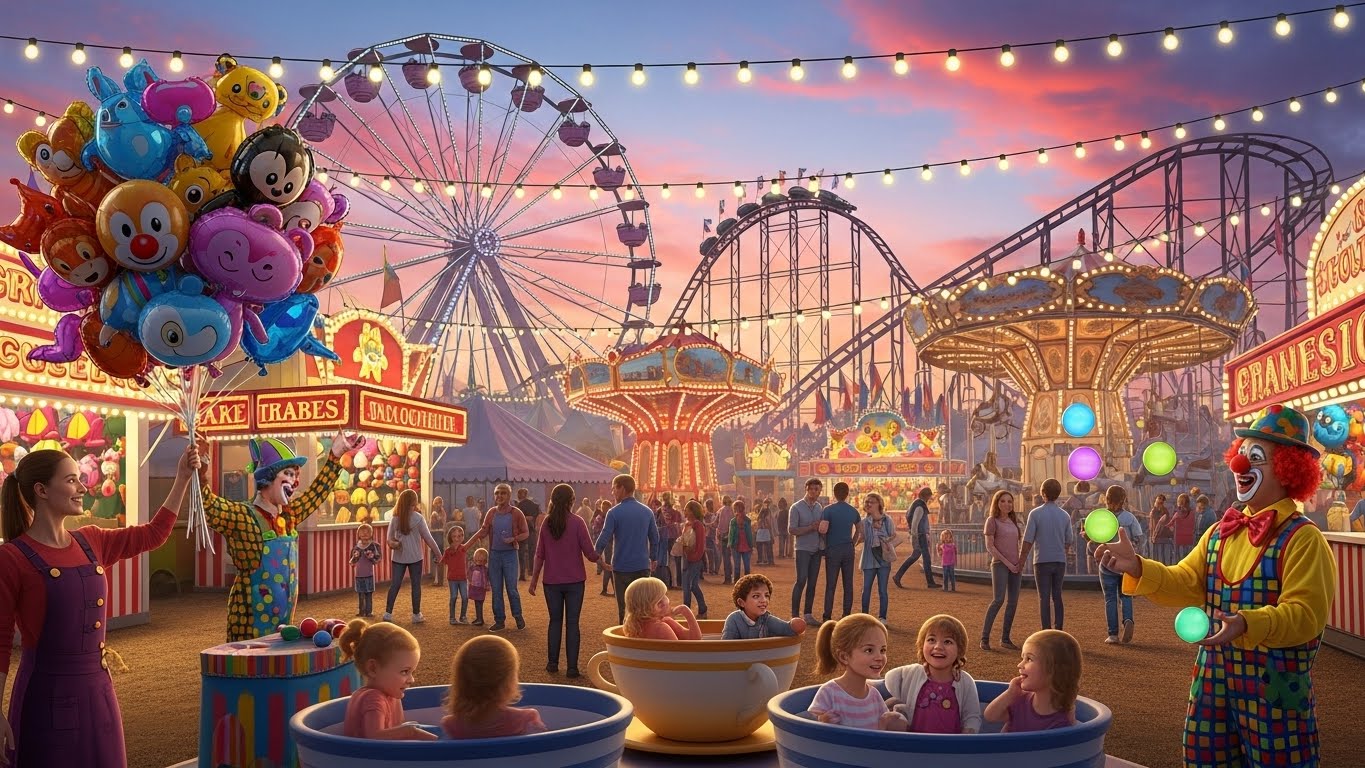
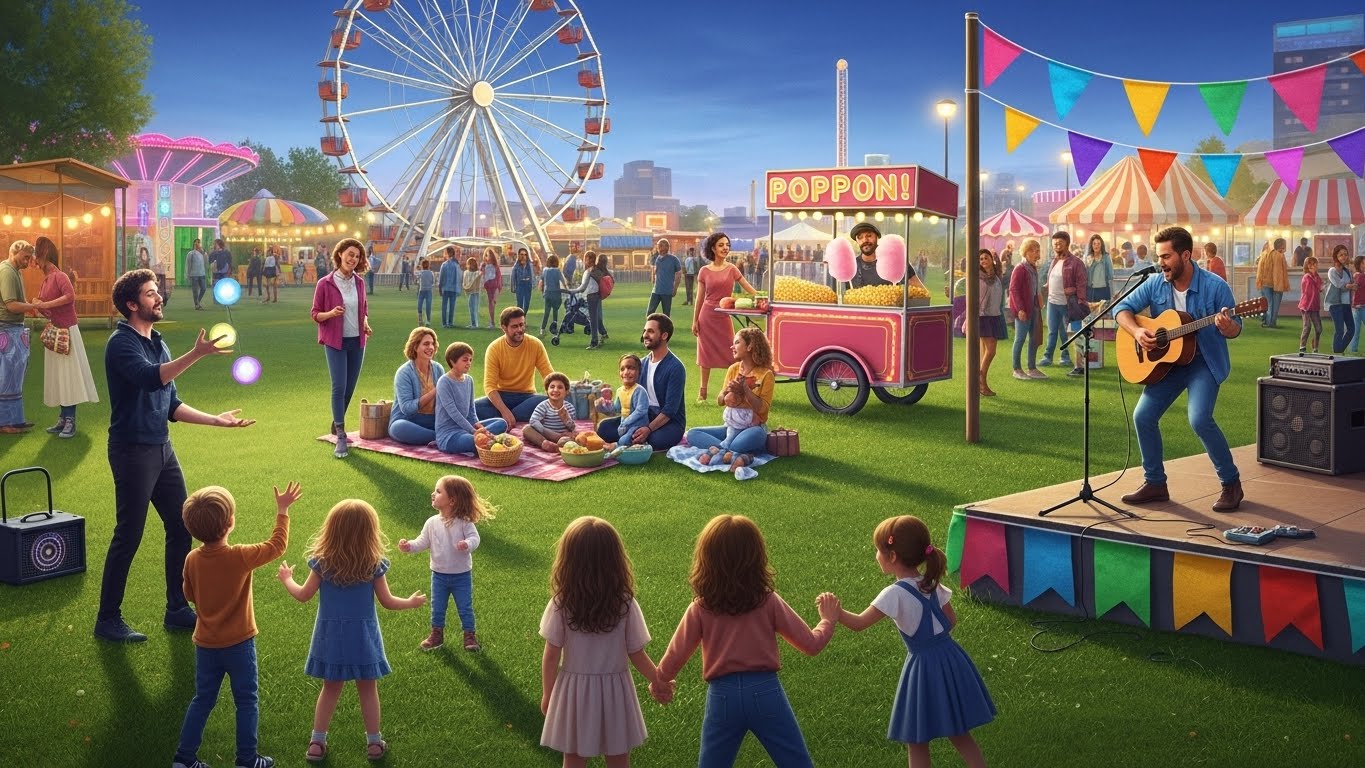
Entertainment has been a fundamental part of human culture since the dawn of civilization. From primitive storytelling around campfires to today’s immersive digital experiences, the landscape of entertainment has evolved tremendously. It is a reflection of society’s advancements in technology, culture, and social dynamics. In this blog post, we will explore how entertainment has transformed through the ages, from ancient forms of leisure to the diverse range of modern entertainment options available today.
The Origins of Entertainment: Ancient Times
In the early stages of human history, entertainment was simple and often communal. Early forms of entertainment included dancing, singing, storytelling, and primitive forms of theater. These activities were typically performed in the open air, and their purpose was as much about fostering community and connection as it was about amusement.
The ancient Greeks and Romans took entertainment to new heights by developing formalized theater. Greek drama, which included both tragedies and comedies, was performed in large amphitheaters. These plays were not only a source of entertainment but also a way to explore deep philosophical questions, moral dilemmas, and societal issues.
Similarly, gladiatorial games in ancient Rome were an intense form of entertainment. The blood sports held in massive arenas like the Colosseum were brutal spectacles meant to display power, fearlessness, and imperial dominance. Although violent, they were a way for the masses to connect with their rulers and the state.
The Middle Ages: Entertainment for the Masses
The Middle Ages saw a shift in entertainment as the influence of the church grew, and secular amusements became more common. In this period, the focus was more on live performances and spectacles. Jousting tournaments, minstrels, and traveling theater troupes played a crucial role in entertaining medieval society. However, much of the entertainment during this era was tied to religious festivals, and many performances had a moral or religious undertone.
One of the key forms of entertainment during this period was the pageant or mystery play. These plays, often performed in the open air, depicted stories from the Bible, with actors portraying biblical figures. Over time, these performances evolved into more elaborate dramas, sometimes including music, dance, and even acrobatics.
The Renaissance: A Cultural Awakening
The Renaissance, which spanned from the 14th to the 17th century, marked a period of great cultural rebirth in Europe. The emergence of the printing press and an increasing focus on humanism led to a flourishing of art, literature, and music. Theatres became more permanent fixtures, and playwrights like William Shakespeare revolutionized drama by creating timeless works that explored human emotions, politics, and power.
In this era, the concept of entertainment began to shift from being solely communal to also focusing on individual enjoyment. The rise of literature, with the publication of novels, also opened up new ways for people to experience entertainment. People could now lose themselves in a book, and for the first time, private enjoyment of art, literature, and theater became more widespread.
The Rise of Modern Entertainment: The 19th and 20th Centuries
The Industrial Revolution of the 18th and 19th centuries brought about rapid changes in society and had a significant impact on entertainment. With the advent of mass production and urbanization, people began to have more disposable income and leisure time, creating new opportunities for entertainment.
The 19th century saw the rise of vaudeville, circuses, and music halls as the working class began to have more access to entertainment. These performances often included a combination of music, comedy, and acrobatics, offering something for everyone. The cinema also emerged during this period, with the first films being screened in the late 19th century. Early films were simple silent pictures, but by the 1920s, Hollywood had become the center of the global film industry, with movies becoming a significant form of entertainment worldwide.
The 20th century saw the explosion of technological advancements that would transform the entertainment industry forever. The invention of television in the 1920s brought entertainment into the home, allowing people to watch shows, news, and movies without leaving their living rooms. By the 1950s, television had become the primary source of entertainment for millions of people, and the global entertainment market began to grow exponentially.
Meanwhile, the rise of the music industry, especially rock ‘n’ roll in the 1950s and 1960s, had a profound cultural impact. Music, once a private pursuit, became a shared experience for large groups, with concerts and festivals drawing thousands of fans. The Beatles, Elvis Presley, and other iconic musicians became global sensations, and the power of music to shape culture became undeniable.
The Digital Age: Entertainment in the 21st Century
The most significant transformation in entertainment has come in the 21st century with the advent of digital technology. The internet and mobile devices have changed how we consume entertainment, leading to an explosion of online content. Social media platforms, streaming services, and video games have become integral parts of our daily lives, offering a nearly limitless array of entertainment options.
Streaming Revolution
Streaming platforms like Netflix, Hulu, Amazon Prime Video, and Disney+ have revolutionized television and film. No longer do viewers need to tune in at a specific time to watch their favorite shows. Now, they can watch entire seasons or even entire series at their own pace, wherever they are. This shift in how we consume media has had a profound impact on traditional television networks and movie theaters, which have struggled to compete with the convenience and accessibility of streaming services.
The popularity of streaming has also led to a new golden age of television. Shows like Game of Thrones, Breaking Bad, and Stranger Things have captivated audiences worldwide, offering complex storytelling and high-quality production. These shows, often produced by streaming platforms themselves, have raised the bar for what we expect from television.
The Gaming Boom
Video games have evolved from a niche hobby to a mainstream form of entertainment. The gaming industry is now worth more than the film and music industries combined, with titles like Fortnite, Minecraft, and Call of Duty drawing millions of players worldwide. Gaming has become a global phenomenon, with professional eSports leagues and gaming influencers on platforms like YouTube and Twitch amassing huge followings.
The development of virtual reality (VR) and augmented reality (AR) technologies has also created new dimensions of immersive gaming. Players can now enter entirely new worlds, experience them firsthand, and interact with the environment in ways that were previously unimaginable.
Social Media and User-Generated Content
Social media platforms like YouTube, Instagram, and TikTok have democratized entertainment, allowing anyone with a smartphone or camera to create and share content. These platforms have given rise to a new generation of influencers, content creators, and viral trends. People can now become famous for sharing their talents, thoughts, or humor with a global audience.
User-generated content has created a dynamic and constantly evolving landscape where entertainment is not just created by large studios and companies but also by individuals. This shift has created opportunities for niche content and diverse voices to flourish, democratizing entertainment in a way that was previously impossible.
The Future of Entertainment: What’s Next?
The entertainment industry is constantly evolving, and the future promises even more changes. As technology continues to advance, we can expect even more immersive experiences, especially with the development of virtual reality (VR), augmented reality (AR), and artificial intelligence (AI). We might see the rise of fully immersive digital worlds where entertainment isn’t just something we watch but something we live in.
The concept of “interactive storytelling” could become more mainstream, where viewers have the power to shape the narrative, as seen in some of Netflix’s experimental interactive shows. Moreover, AI could potentially create personalized content that adjusts to our preferences and moods in real-time, making entertainment more individualized than ever before.
Conclusion
Entertainment has come a long way since the days of cave paintings and oral storytelling. Today, we live in a world where entertainment is more accessible, diverse, and immersive than ever before. From ancient performances to the digital age, the forms and mediums through which we engage with entertainment have evolved in tandem with technological advancements and shifts in cultural attitudes.
As we look to the future, it’s clear that entertainment will continue to evolve and adapt to new technologies and societal changes. Whether it’s through VR, AI, or the continued growth of digital platforms, the future of entertainment holds exciting possibilities that will further reshape how we experience the world around us.
Ultimately, entertainment is a reflection of human creativity and our ability to imagine and explore new worlds. It will always be a vital part of human life, connecting us across cultures and generations, and offering moments of joy, reflection, and escape.