
Entertainment is one of the oldest and most fundamental parts of human civilization. From ancient tribal dances around the fire to today’s digital streaming platforms and global celebrity culture, the ways people entertain themselves have changed dramatically — yet the desire for joy, laughter, and emotional connection remains timeless. The story of entertainment is the story of humanity’s quest for expression, connection, and escape.
The Ancient Roots of Entertainment
Before the invention of screens, books, or even structured theater, people sought entertainment in community gatherings. Storytelling was the earliest form of art — one that did not need electricity, paper, or money. It needed only imagination. Around the campfire, elders would tell myths of creation, brave heroes, and moral lessons. These oral traditions not only entertained but also preserved history and culture.
In ancient Egypt, music and dance were integral to celebrations and religious ceremonies. Similarly, in Greece, theater became a cultural pillar. Playwrights such as Sophocles and Aristophanes used the stage to comment on politics, love, and morality. These performances brought people together, providing both education and amusement.
The Birth of Performance and Theater
Theater marked a new age of organized entertainment. The Greeks built amphitheaters to host tragedies and comedies that reflected the human condition. Audiences laughed, cried, and pondered the meaning of life as actors wore masks and spoke through poetic dialogue.
Later, the Roman Empire expanded on this concept, creating massive coliseums where gladiators fought for glory and crowds cheered in excitement. While the ethics of such brutal entertainment can be debated, its impact on society’s fascination with spectacle is undeniable.
The Middle Ages saw the rise of traveling performers, jesters, and minstrels who brought music and humor to towns across Europe. These performers carried news, stories, and laughter to people who might otherwise live isolated lives.
The Evolution of Music as a Universal Language
If there is one form of entertainment that transcends boundaries, it is music. From tribal drums to modern digital beats, music connects people across cultures, languages, and generations. Ancient instruments like flutes and harps gave birth to symphonies and orchestras. Music evolved with society, reflecting its changes and challenges.
The Renaissance period saw the birth of classical music. Great composers like Bach, Mozart, and Beethoven transformed sound into emotion, structure, and storytelling. As technology advanced, music became more accessible — first through records, then cassettes, CDs, and now digital streaming.
In every generation, music adapts to the soul of the time. Jazz expressed freedom and improvisation. Rock represented rebellion. Pop captured the dreams of the young. Hip-hop gave a voice to the unheard. Today, with genres blending globally, music remains a language that everyone understands without needing translation.
Cinema: The Magic of Moving Pictures
The 20th century introduced a revolutionary form of entertainment — the motion picture. The moment moving images appeared on screen, the world was mesmerized. Silent films, though lacking dialogue, spoke louder than words. Charlie Chaplin made audiences laugh and cry through facial expressions and physical comedy.
As technology advanced, sound and color transformed cinema into an immersive experience. Hollywood became the capital of dreams, while other countries built their own thriving film industries. From India’s Bollywood to Japan’s anime, cinema became a mirror to society — reflecting its beauty, struggles, and aspirations.
Movies are powerful because they can make us live a thousand lives. Through them, we explore distant planets, fall in love with imaginary characters, and experience moments that might never exist in reality. Cinema is not just entertainment; it is emotion in motion.
Television: Bringing the World Home
When television entered homes, it changed the rhythm of everyday life. Families gathered around the screen, sharing laughter, suspense, and joy together. In the early days, TV shows were simple and wholesome, focusing on comedy, family, and moral lessons. Over time, they evolved into complex narratives, reality programs, and global news networks.
Television made entertainment accessible to everyone. It democratized fame — turning actors, singers, and even ordinary people into household names. Iconic shows shaped generations. The news, once delivered in newspapers, became a living event broadcast in real-time. The world became smaller, and stories more personal.
Even today, despite the rise of streaming, the influence of television remains strong. It introduced serialized storytelling, advertising culture, and the shared experience of watching something together — a phenomenon that continues with live events and award shows.
The Digital Revolution: Streaming and Beyond
The internet transformed entertainment like nothing before it. Streaming platforms allowed audiences to choose what they wanted to watch, when they wanted to watch it. This freedom of choice led to a golden age of creativity and diversity.
Online content creators emerged as new celebrities. Platforms where anyone can upload videos or music gave rise to fresh talent, bypassing traditional gatekeepers. A teenager in one country can reach millions worldwide with just a phone camera and creativity.
Streaming also blurred the lines between film, television, and social media. Short-form content — from sketches to podcasts — became equally important forms of entertainment. This new era is defined by personalization, interactivity, and endless choice. Entertainment no longer happens at a specific time or place; it lives inside our devices and follows us everywhere.
The Rise of Gaming as an Art Form
Video games have grown from simple 8-bit pastimes to complex storytelling masterpieces. What began as pixels on a screen has become a massive cultural force. Modern games blend art, music, narrative, and interactivity into immersive worlds.
Gaming is no longer just a hobby; it’s a profession and a spectator sport. E-sports tournaments fill stadiums, with millions watching online. Games also tell stories as deeply as any film — exploring themes of heroism, morality, and identity.
Perhaps the most remarkable part of gaming is its community aspect. People from different countries play together, form friendships, and create shared memories in virtual worlds. Entertainment has evolved from passive watching to active participation.
The Theater of Social Media
In the modern world, social media platforms have become stages where everyone performs. Whether it’s sharing a dance, a joke, a story, or a picture, people use these platforms to entertain and be entertained. Influencers, comedians, and storytellers have turned these digital spaces into mini entertainment ecosystems.
The democratization of content creation means that everyone can have an audience. A single creative idea can go viral and reach millions overnight. This has changed the nature of fame, making it more immediate and personal. It also reflects how entertainment has become an everyday activity, woven into our social lives.
However, social media has also blurred the line between real and performative. It raises questions about authenticity, attention, and mental health — reminding us that entertainment, while joyful, must be balanced with awareness.
Comedy: The Healing Power of Laughter
Throughout history, laughter has been one of humanity’s most effective remedies against pain. Comedy evolved alongside tragedy, offering balance to the heavier emotions of life. From jesters in royal courts to modern stand-up comedians, humor has always found its place.
Comedy’s power lies in its ability to connect. It disarms tension, exposes truths, and creates a shared experience of joy. Even during difficult times, laughter brings light. Whether through satire, situational humor, or clever wordplay, comedy reminds us not to take life too seriously.
In modern entertainment, comedians have become philosophers of humor, using their platform to speak about society, politics, and identity — proving that laughter can be both fun and profound.
The Role of Sports in Entertainment
Sports occupy a unique space in the entertainment world. They combine competition, physical excellence, and storytelling. Every game is a drama, every player a character. The thrill of victory and the agony of defeat are as compelling as any scripted story.
Fans become emotionally invested in teams and players, forming communities that transcend borders. Whether it’s football, cricket, basketball, or the Olympics, sports unite people through shared excitement.
The commercialization of sports has also made it a multi-billion-dollar entertainment industry, complete with sponsorships, media coverage, and celebrity athletes. Yet at its core, the appeal of sports remains the same — human achievement and the unpredictability of live action.
Fashion and Celebrity Culture
Fashion has long been part of entertainment. What celebrities wear, how they appear, and what trends they create all shape popular culture. Red carpet events, award shows, and runway spectacles have turned fashion into performance art.
Celebrities, once distant icons, now share glimpses of their lives with audiences, influencing lifestyle, beauty, and identity. The entertainment industry thrives on glamour — the fantasy of perfection that invites admiration and aspiration.
But modern entertainment has also begun challenging traditional beauty standards and promoting inclusivity. Representation in fashion and media has become more diverse, reflecting the evolving values of society.
Cultural Festivals and Live Events
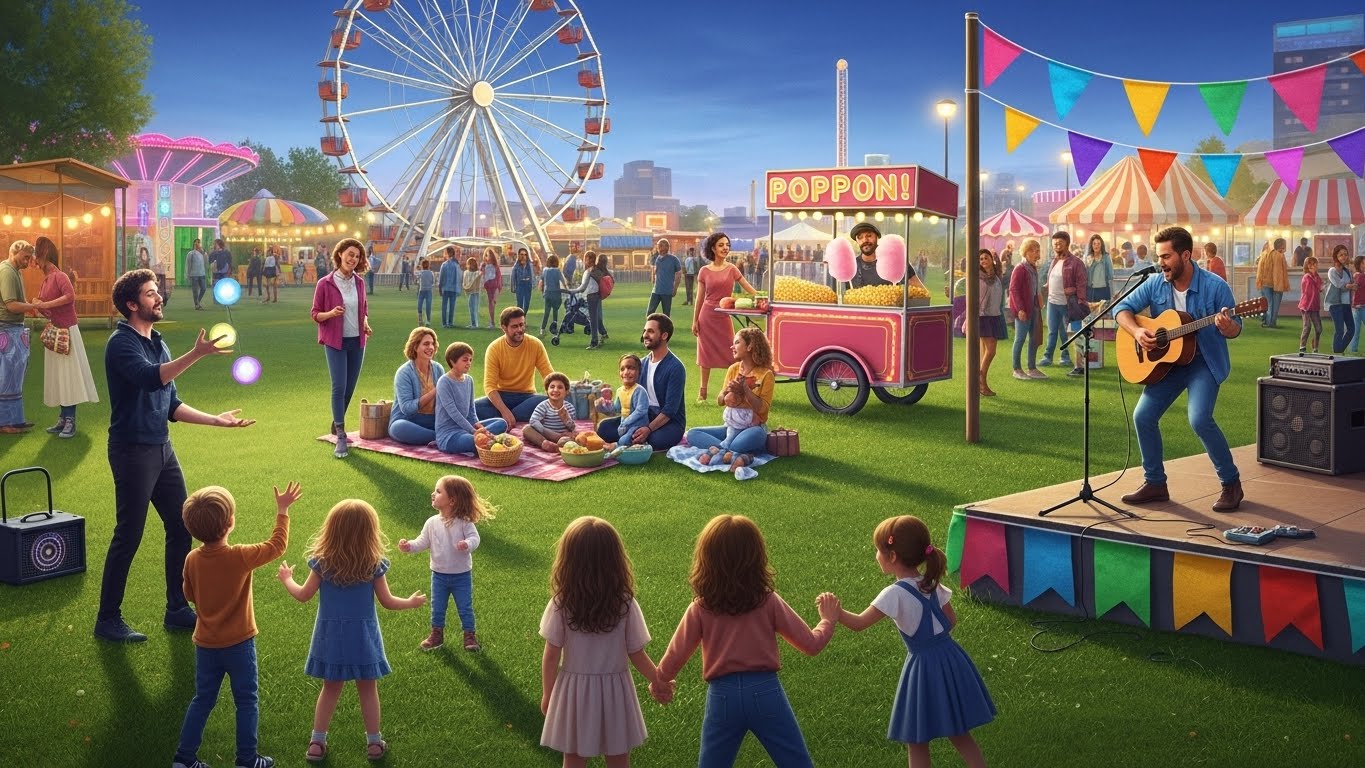
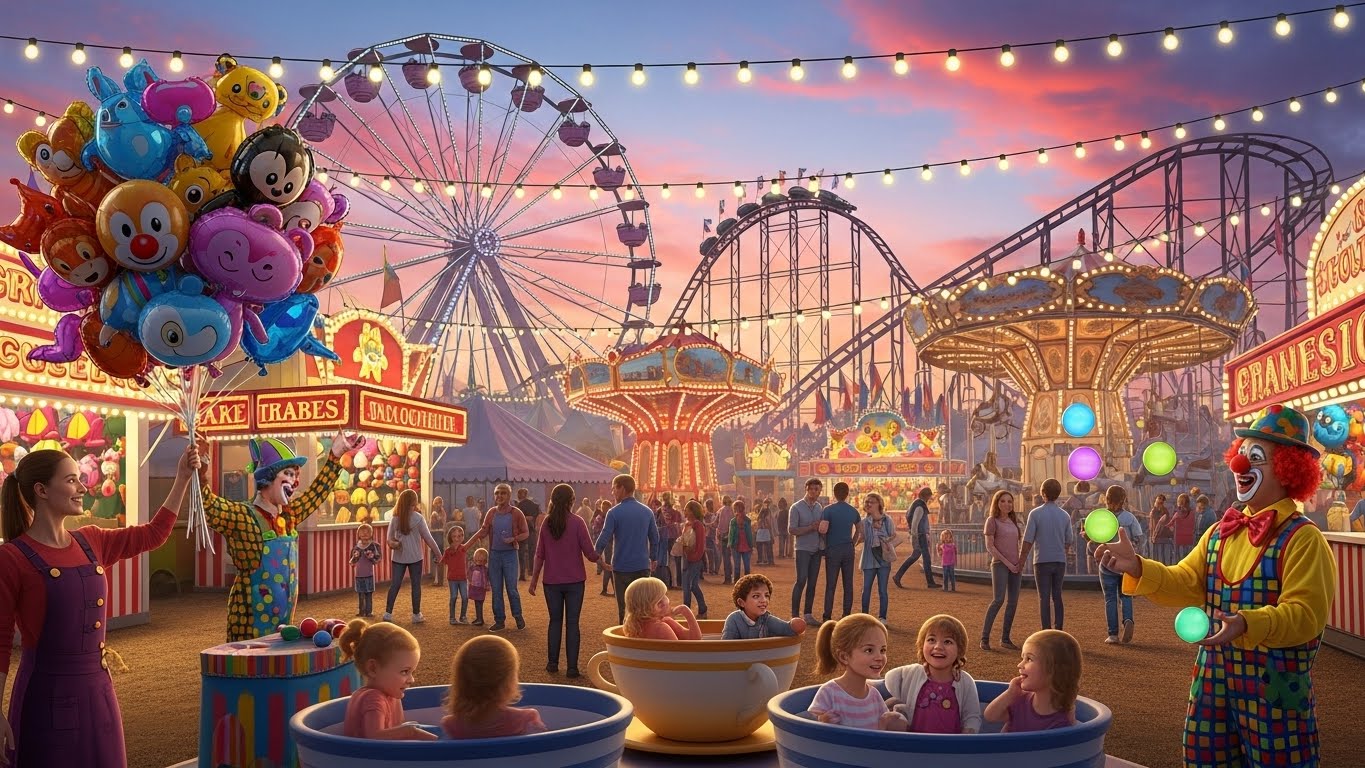
Despite digital dominance, live entertainment remains irreplaceable. Concerts, theater plays, and festivals create shared experiences that technology cannot fully replicate. The energy of a live audience, the sound of applause, and the feeling of connection make these moments unforgettable.
Festivals — whether music, film, or cultural — celebrate creativity and community. They are reminders that entertainment is not just about consuming content but participating in it. People gather to dance, sing, and celebrate the spirit of being alive.
The Psychology of Entertainment
Why do humans crave entertainment? Psychologists suggest it fulfills several needs — emotional release, mental stimulation, social bonding, and identity formation. It allows us to experience emotions in a safe space. When we watch a movie, listen to music, or play a game, we explore feelings without real consequences.
Entertainment also shapes perception. It can inspire dreams, challenge beliefs, or provide comfort. In times of stress, it becomes an escape; in times of joy, it becomes a celebration. Ultimately, entertainment reflects our inner world.
The Dark Side of Entertainment
While entertainment brings joy, it also has challenges. Overconsumption can lead to addiction or distraction. The pressure to entertain or be entertained constantly can create unrealistic expectations. Fame can be fleeting, and the pursuit of attention can become destructive.
There is also the issue of authenticity. In an age where everything can be edited and filtered, distinguishing reality from performance can be difficult. The entertainment industry, though glamorous, often hides intense competition and emotional strain behind the curtain.
Recognizing these realities helps audiences appreciate entertainment without losing perspective.
Technology and the Future of Entertainment
The next frontier of entertainment lies in technology. Virtual reality (VR) and augmented reality (AR) are creating immersive experiences that blur the line between the real and the imaginary. Artificial intelligence is generating music, stories, and even art. The concept of “metaverse” entertainment promises shared virtual spaces where people can live entire digital lives.
While these innovations offer endless possibilities, they also raise questions about creativity, authenticity, and human connection. Will AI replace artists? Can digital experiences truly replace human emotion? The answers will define the next era of entertainment.
The Globalization of Entertainment
In the past, entertainment was local; now it is global. A song produced in one country can top charts across the world. A Korean drama can captivate audiences in Europe. Language is no longer a barrier, thanks to subtitles, translation, and shared cultural curiosity.
This globalization has expanded empathy. People now experience cultures through entertainment, learning about others’ traditions, values, and stories. It proves that while we may look different, we laugh, cry, and dream the same way.
Independent Creators and the New Age of Freedom
The internet has empowered independent creators to break free from traditional systems. Filmmakers, writers, and musicians can now publish their work directly to audiences. This shift has diversified entertainment, bringing forward voices that were once unheard.
Indie creators experiment without corporate constraints, producing raw, authentic content that resonates deeply with specific audiences. The rise of personal storytelling has made entertainment more intimate and human than ever before.
Entertainment as a Reflection of Society
Every form of entertainment mirrors its era. The comedies of the 1950s reflected optimism; the films of the 1970s reflected rebellion; modern shows reflect diversity and inclusion. Entertainment both shapes and responds to social change.
Through art and performance, societies process trauma, celebrate victories, and express identity. Entertainment is more than distraction — it’s a record of our collective soul.
Conclusion: The Eternal Power of Joy
From the first stories told around the fire to virtual concerts in digital worlds, entertainment continues to evolve, yet its essence remains unchanged — the desire to feel, to connect, and to imagine. It is the heartbeat of human creativity, a bridge between reality and fantasy.
In every laugh, every song, every scene, and every game, entertainment reminds us that life, despite its struggles, is meant to be celebrated. The stage may change, the technology may advance, but the joy of being entertained — and of entertaining others — will forever be part of what makes us human.