Entertainment has always been an integral part of human life. It goes beyond mere amusement, reflecting cultural trends, shaping societal values, and connecting people across time and geography. From ancient forms of storytelling to modern digital experiences, entertainment continues to evolve while remaining at the heart of human creativity. This blog will explore the history, forms, and impact of entertainment while examining how it adapts to our changing world.
The Origins of Entertainment
Entertainment has roots that stretch back to the earliest human civilizations. Storytelling was among the first forms of amusement. Around campfires, people shared tales of heroism, adventure, and morality, passing knowledge and culture from one generation to the next. These stories were more than just fun; they were tools for education, moral guidance, and social cohesion.
Music and dance were also early forms of entertainment. Ancient civilizations like Egypt, Greece, and India used music for religious ceremonies, celebrations, and storytelling. Performances were often communal, creating a shared sense of joy and identity. These early practices laid the foundation for modern forms of entertainment, proving that creativity and expression have always been essential to human life.
Literature: The Power of the Written Word
With the invention of writing, entertainment gained a new dimension. Literature became a powerful way to share stories across time and space. Ancient texts, from epic poems to philosophical dialogues, entertained while also providing insight into human thought and society.
As printing technology advanced, books became accessible to a broader audience. Novels, short stories, and poetry allowed people to explore emotions, ideas, and worlds beyond their own experiences. Literature is a form of entertainment that combines imagination with reflection, enabling readers to escape reality while engaging deeply with complex themes.
The Evolution of Cinema
Cinema transformed entertainment in the 20th century by combining storytelling, visuals, and sound into a single immersive experience. Early films focused on novelty and spectacle, capturing the curiosity of audiences around the world. As filmmakers explored narrative techniques, cinema evolved into an art form capable of evoking profound emotions.
Modern cinema encompasses a variety of genres and styles. Blockbuster franchises attract global audiences, while independent films explore niche themes and experimental storytelling. Animated films, documentaries, and foreign films have broadened the scope of cinema, proving that entertainment can be both enjoyable and intellectually stimulating. The visual and emotional impact of films allows audiences to experience different perspectives, cultures, and ideas.
Music: Connecting Souls Across Generations
Music is perhaps the most universal form of entertainment. It transcends language and geography, connecting people on a deeply emotional level. Over centuries, music has evolved alongside society, reflecting social change, cultural identity, and personal expression.
From classical compositions to contemporary pop, music has remained a constant source of joy, reflection, and creativity. Technological advancements have reshaped how we experience music. The invention of recording devices, radios, and streaming services has made music more accessible than ever. Live performances, concerts, and festivals create communal experiences, where the shared energy of music brings people together. Music’s ability to inspire, comfort, and energize ensures it remains a vital part of entertainment.
The Digital Revolution in Entertainment
The digital age has transformed entertainment in ways that were unimaginable just decades ago. Streaming services allow instant access to films, music, and shows, while social media platforms create opportunities for creators and audiences to interact directly. Digital entertainment has become more interactive, personalized, and accessible than ever.
Video games are a prime example of this evolution. Unlike traditional entertainment, games are interactive, offering players agency and immersive experiences. From simple mobile games to complex story-driven titles, gaming engages people in ways that combine challenge, narrative, and creativity. Competitive gaming and global tournaments have also transformed games into professional sports, attracting millions of viewers worldwide.
Social media has reshaped entertainment culture, turning users into content creators and participants. Short-form videos, viral challenges, and user-generated content highlight the participatory nature of modern entertainment. Today, entertainment is not just something we consume; it is something we actively shape and experience.
Technology and the Future of Entertainment
Technological advancements continue to redefine what entertainment can be. Virtual reality and augmented reality offer immersive experiences that engage multiple senses. Virtual reality allows people to step into entirely new worlds, while augmented reality blends digital elements with our physical environment. These technologies are creating new ways to experience storytelling, gaming, and art.
Artificial intelligence is also playing a role in shaping entertainment. AI can generate music, assist in storytelling, and even create visual art, opening new possibilities for creative expression. Independent creators now have tools that were once limited to large studios, enabling innovation and experimentation across the entertainment landscape.
Cultural Impact of Entertainment
Entertainment is not only about enjoyment; it mirrors society and influences culture. Films, music, and literature often reflect societal values, challenge norms, and spark conversations. They provide a lens through which we understand social issues, human emotions, and collective experiences.
Movies addressing social issues can inspire dialogue and awareness. Music often becomes the anthem of movements, uniting people around causes and expressing shared sentiments. Even gaming communities can create spaces for collaboration, strategy, and connection, demonstrating that entertainment has a meaningful role in shaping cultural identity.
Globalization has expanded the reach of entertainment, allowing people to experience diverse cultures and perspectives. International films, music genres, and digital content connect audiences worldwide, fostering empathy and understanding. Entertainment has become a bridge between cultures, making the world feel smaller and more interconnected.
The Business Side of Entertainment
Behind every film, song, or game lies a complex business ecosystem. Entertainment industries involve production, marketing, distribution, and monetization. Companies invest significant resources to create experiences that captivate audiences while generating revenue.
Marketing strategies are essential for reaching audiences and building anticipation. Social media, live events, and promotional campaigns play crucial roles in making content successful. Merchandising and licensing further expand revenue opportunities, allowing fans to engage with entertainment in multiple ways.
Despite its commercial aspects, the business of entertainment fosters creativity. Competition encourages innovation, experimentation, and investment in new technologies, ensuring that entertainment remains dynamic and continuously evolving.
The Personal and Social Benefits of Entertainment
Entertainment serves important roles in both individual well-being and social cohesion. On a personal level, it provides relaxation, stress relief, and emotional engagement. Watching a film, listening to music, or playing a game can provide a temporary escape from life’s pressures while stimulating creativity and critical thinking.
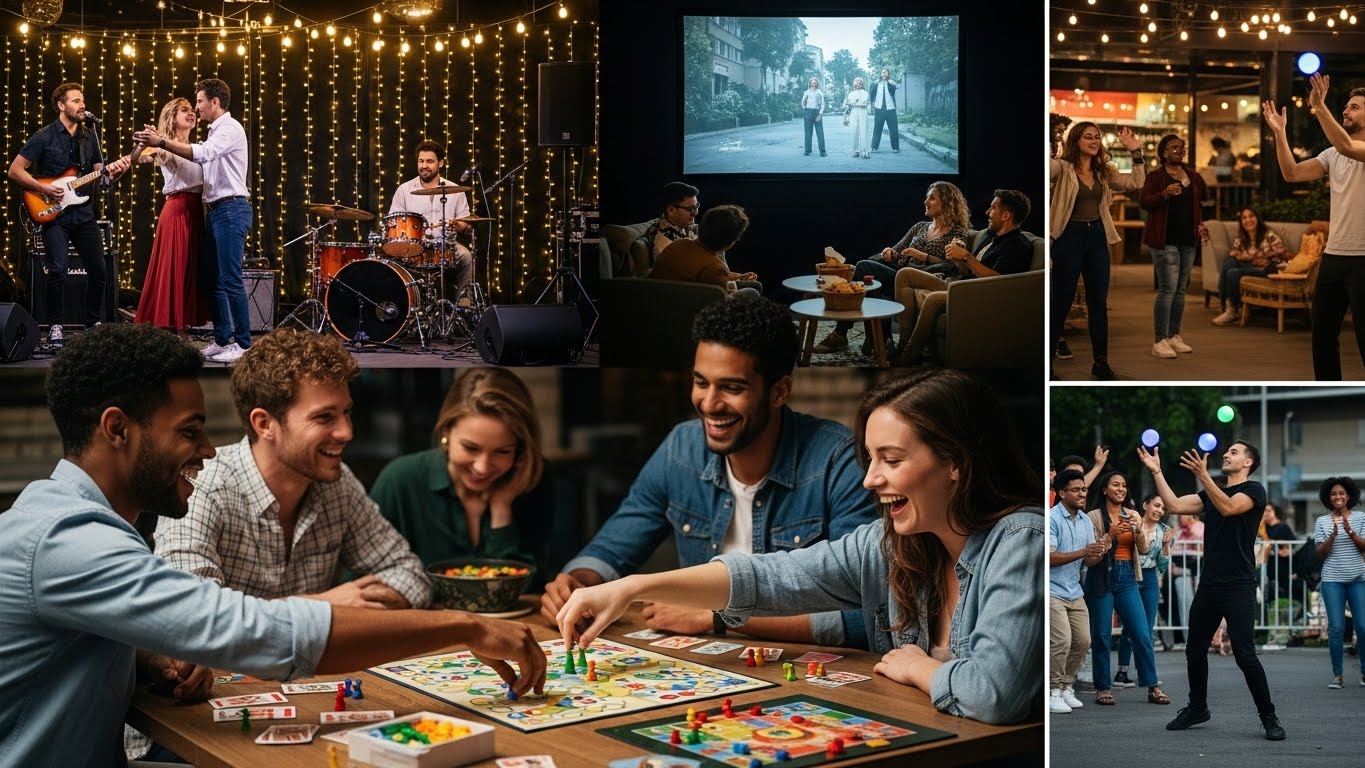
Socially, entertainment brings people together. Shared experiences, whether at concerts, festivals, or gaming events, create bonds and strengthen communities. Storytelling and media also allow people to explore diverse perspectives, promoting empathy and understanding. Entertainment is a powerful tool for connecting individuals and fostering meaningful relationships.
Looking Ahead: The Future of Entertainment
The future of entertainment promises even more immersive and interactive experiences. Advances in virtual reality, augmented reality, and artificial intelligence will allow people to engage with content in ways that were once unimaginable. Personalized entertainment will continue to grow, giving audiences control over how they experience stories, music, and games.
Trends toward inclusivity, diversity, and ethical production will shape the creation and distribution of entertainment. Audiences increasingly seek content that reflects their values, identities, and social concerns. Sustainability and responsible storytelling will become integral to how the industry operates, ensuring that entertainment remains relevant and meaningful.
Ultimately, entertainment will continue to reflect humanity itself—our creativity, emotions, challenges, and aspirations. As long as people seek joy, connection, and inspiration, the world of entertainment will continue to thrive and evolve.
Conclusion
Entertainment is more than a pastime; it is a reflection of culture, a celebration of creativity, and a catalyst for human connection. From storytelling and literature to cinema, music, gaming, and digital media, entertainment has constantly evolved to meet the needs of society. Technological innovations, cultural shifts, and creative ingenuity ensure that entertainment remains dynamic and transformative.
As we look to the future, entertainment will continue to adapt, innovate, and inspire. It will remain a mirror of society, a window into other worlds, and a source of joy, connection, and reflection. In a fast-changing world, entertainment is a constant reminder of our capacity for imagination, creativity, and shared experience.