Introduction
Entertainment is more than a weekend escape or a distraction after a long day. It has grown into a powerful thread that weaves through modern life, shaping conversations, influencing trends, and even molding the way we think. From blockbuster films to viral dances, from binge-worthy series to interactive gaming, today’s entertainment landscape is vibrant, fast-moving, and endlessly creative. In this blog post, we explore how entertainment has evolved, why it captivates us so deeply, and how it continues to influence culture, community, and personal identity in surprising ways.
The Ever-Evolving World of Storytelling
Storytelling has always been at the heart of entertainment. Ancient civilizations used myths to explain the world, while communities sat around fires sharing tales of heroes and legends. Today, that same instinct drives the global entertainment industry. What has changed is the medium. Films, series, animations, and even video games offer immersive story worlds that let audiences step into the heart of the action.
Modern storytelling goes beyond simply telling a story; it invites participation. Viewers analyze hidden meanings in movie scenes, create fan theories about characters, and discuss plot twists that leave millions stunned. With the rise of long-form television dramas and cinematic universes, creators have more room than ever to build intricate plots, deep emotional arcs, and unforgettable characters who feel almost real.
The Rise of Interactive Entertainment
One of the most significant shifts in the entertainment world is the explosive rise of interactive media. Video games, once dismissed as children’s toys, have grown into billion-dollar global industries full of artistry, technology, and emotional depth. Players are no longer passive watchers but active participants in shaping outcomes, solving puzzles, and exploring imaginative worlds.
Interactive entertainment has become a unique blend of creativity and challenge. It engages the mind differently from traditional storytelling by demanding strategy, decision-making, and curiosity. Whether navigating a fantasy kingdom, solving mysteries, or engaging in competitive play with friends across the world, gaming allows people to experience entertainment in a uniquely personal way. It taps into the modern desire to not only consume stories but to influence them.
The Power of Music in Everyday Life
Music remains one of the most universal forms of entertainment. It can lift moods, spark memories, or turn a simple moment—like a morning commute—into something emotional and meaningful. Today’s music culture is shaped by an unprecedented blend of global influences. Artists from different regions create unique sounds, combining genres to craft songs that resonate across borders.
Behind the scenes, the rise of short-form content and viral trends has transformed how music becomes popular. A single chorus can catch fire, inspiring dances, remixes, and personal interpretations from people around the world. This new landscape allows emerging artists to gain recognition rapidly and gives listeners the excitement of discovering new voices daily. Music has never traveled faster or felt more connected to everyday experience.
Streaming Services and the Age of Endless Choice
Gone are the days when viewers had to wait a week for a new episode or plan their evenings around television schedules. Streaming platforms have redefined entertainment by placing entire libraries of content at our fingertips. This shift has empowered audiences to choose what, when, and how they want to watch.
This abundance of choice does more than provide convenience—it shapes viewing habits. People binge-watch entire seasons in a few days, revisit classic shows from childhood, or explore new genres they might never have considered before. Meanwhile, creators have more creative freedom as streaming platforms embrace diverse stories, new formats, and voices that traditional studios once overlooked.
The result is a broader, more inclusive entertainment landscape, one that allows viewers to see themselves reflected on screen in ways that were rare just a decade ago.
Social Entertainment: The New Public Stage
Entertainment today is not just something we watch—it’s something we participate in. Social media has become a powerful stage where everyday people can entertain audiences of millions. Whether through comedy skits, lifestyle vlogs, makeup transformations, or spontaneous creativity, social platforms have turned entertainment into a conversation rather than a broadcast.
This shift has democratized fame. Talent, originality, and consistency matter more than having industry connections. Creators can build communities, influence trends, and share their passions with global audiences. What makes this form of entertainment compelling is its authenticity. People are drawn to personalities who feel relatable, whose creativity feels spontaneous rather than scripted.
Social entertainment also blurs the line between creator and audience. Fans interact directly with their favorite performers through comments, livestreams, and real-time feedback. Entertainment becomes collaborative, shaped by both creators and viewers in a dynamic, ongoing exchange.
The Return of Live Experiences
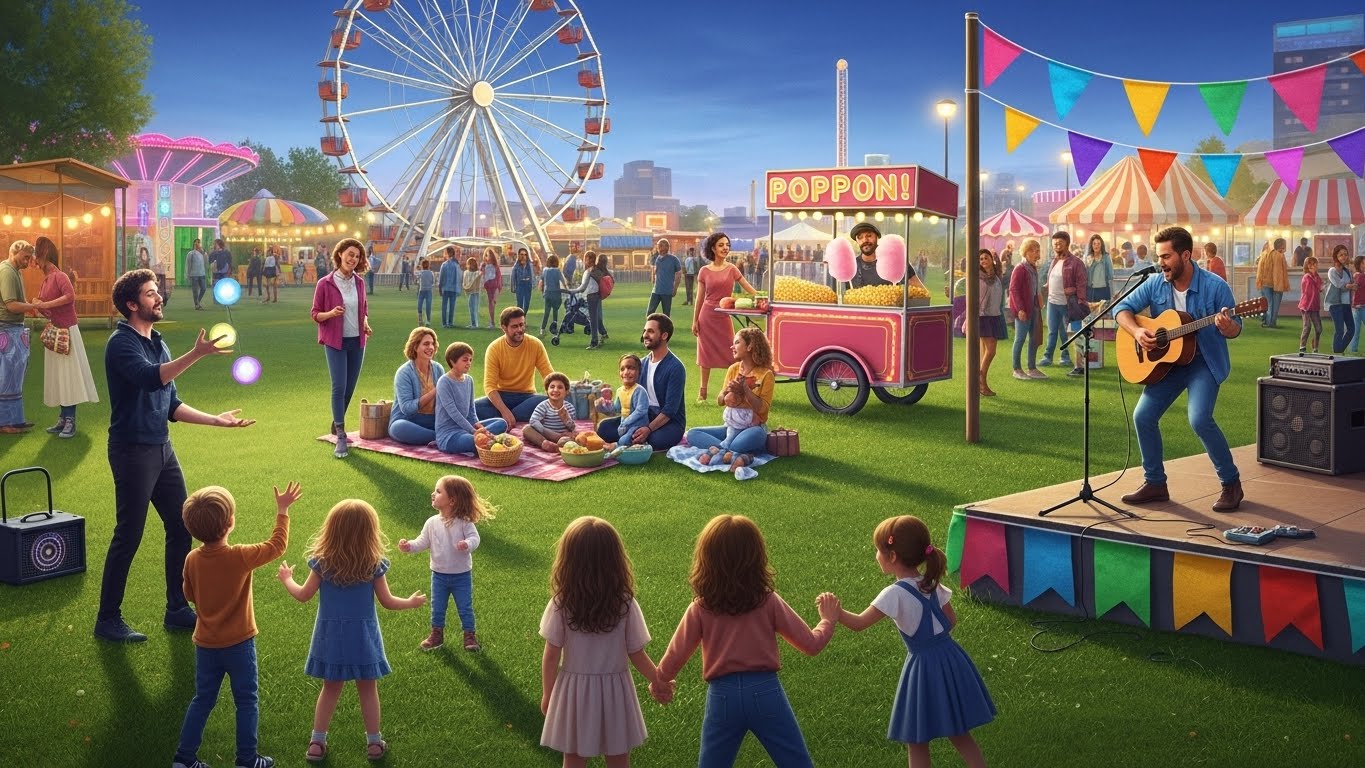
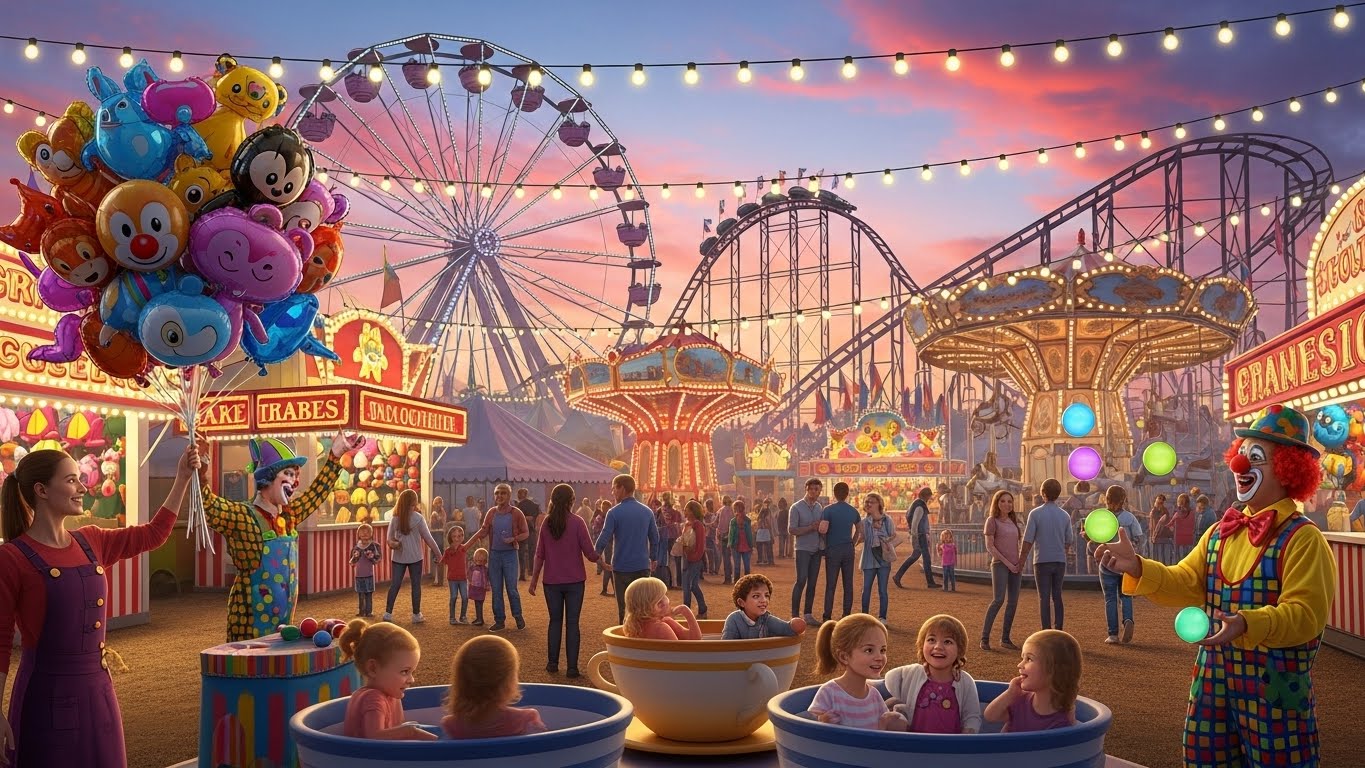
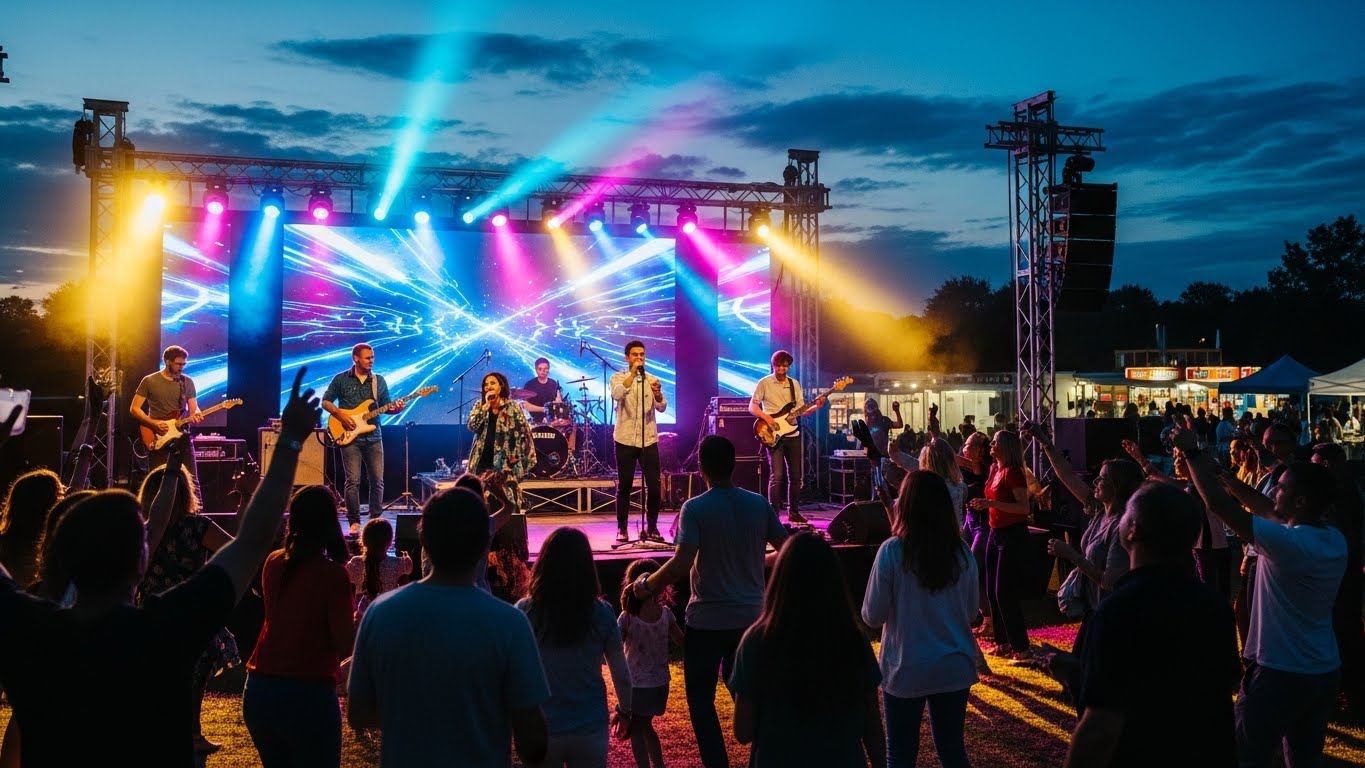
Despite the digital boom, live entertainment remains irreplaceable. Concerts, theater performances, comedy shows, and festivals offer something screens cannot: shared energy. There is a unique thrill in experiencing art alongside hundreds or thousands of other people. The laughter, cheers, and emotional reactions create memories that feel bigger than the moment itself.
Live experiences have also evolved to blend physical and digital elements. Audiences enjoy interactive stages, immersive lighting, and creative storytelling techniques that make performances feel like entire worlds brought to life. These events remind us that entertainment is not only about watching—it’s about feeling connected to others.
How Entertainment Shapes Culture
Entertainment doesn’t just reflect culture; it shapes it. Popular films influence fashion trends. Memorable lines from shows become catchphrases. Characters inspire new forms of art, discussions about identity, and movements for representation. Music sparks dance trends, influences personal style, and marks cultural shifts.
Because entertainment reaches so many people so quickly, it has the unique ability to challenge perceptions, celebrate diversity, and bring attention to important topics. Creators today are more aware than ever of the cultural impact their work can have, and audiences often reward art that feels meaningful, relevant, or daring.
The Emotional Impact of Entertainment
People turn to entertainment for many reasons: to escape stress, to laugh, to feel inspired, or simply to enjoy a few moments of calm. Stories allow us to process emotions safely. Music helps us express feelings we cannot put into words. Games give us a sense of achievement and exploration. Entertainment touches emotional cores we sometimes struggle to articulate.
In times of uncertainty, entertainment provides comfort and stability. During moments of joy, it enhances the experience. Entertainment does not just fill time—it enriches it.
Looking Ahead: The Future of Entertainment
As technology continues to evolve, so will entertainment. Virtual reality offers immersive experiences where users can step directly into story worlds. Artificial intelligence may help create interactive films that adapt to viewer choices in real time. Music and visual art could become fully personalized, shaped by individual preferences and moods.
Despite all these innovations, the heart of entertainment will remain the same: the desire to connect, to imagine, and to feel. Technology may shape the medium, but human creativity will always drive the magic behind it.
Conclusion
Entertainment today is more than an industry; it is a living, breathing part of everyday life. It brings people together, sparks ideas, and provides a momentary escape when the world feels overwhelming. Whether we are watching a film, listening to a song, playing a game, or creating something ourselves, entertainment reminds us of the power of imagination. As new forms continue to emerge, one thing is certain: entertainment will always be a place where creativity leads, and where every moment has the potential to become unforgettable.