Entertainment is one of the most fundamental parts of human life. Whether through music, movies, games, stories, or social experiences, entertainment allows people to escape reality, explore new ideas, and connect with one another. Over the decades, entertainment has evolved dramatically, shaped by technology, culture, and creativity. Today, it influences our thoughts, emotions, lifestyles, and even our identities. In this extensive blog post, we explore the evolution of entertainment, the rise of new forms of media, the impact on society, and the future of this dynamic industry.
The Early Roots of Human Entertainment
The desire for entertainment dates back thousands of years. Early humans entertained themselves with storytelling, dance, and music long before modern media existed. These forms of entertainment allowed communities to bond, pass down history, and express emotions.
Storytelling was one of the most powerful tools of ancient entertainment. People gathered around fires to share tales of heroes, myths, and adventures. These stories helped shape cultural identities and preserved knowledge across generations. Music and dance were also deeply important, serving as forms of expression, celebration, and ritual.
The roots of today’s entertainment industry can be traced back to these simple but meaningful activities. Even as technology has transformed entertainment, the core purpose remains the same: to evoke emotion, connect people, and express creativity.
The Birth of Modern Entertainment
The modern entertainment era began with technological inventions such as photography, recorded sound, and moving pictures. The late 19th and early 20th centuries saw the birth of the film industry, radio, and early forms of broadcast entertainment.
Movies quickly became a global phenomenon. Early films were silent and simple, yet they captivated audiences. With the introduction of sound and color, films grew more sophisticated and immersive. Hollywood soon emerged as the center of global filmmaking, producing iconic movies and stars who shaped popular culture.
Radio brought entertainment into homes, offering music, news, and storytelling programs. Families would gather around the radio to enjoy shows together. This experience helped make entertainment more accessible and communal, setting the stage for future media revolutions.
The Rise of Television
Television became one of the most influential entertainment mediums of the 20th century. It brought visual stories, comedy, drama, news, and live events directly into people’s homes. As televisions became more affordable, they became a staple of family life, shaping culture and communication.
Television diversified entertainment by introducing channels dedicated to specific interests such as sports, music, education, and lifestyle. This created a more personalized viewing experience and allowed audiences to explore a wide range of content from around the world.
Television reshaped how people consumed entertainment, making it part of daily routines and cultural conversations. It also introduced advertising as a major force, influencing purchasing habits and business strategies.
The Digital Revolution and Streaming
The rise of the internet changed entertainment forever. Streaming platforms transformed how audiences watch movies, listen to music, and access media. Instead of waiting for scheduled broadcasts, people could now choose what to watch and when to watch it.
Streaming services allowed creators to produce bold, diverse, and experimental content that traditional networks often avoided. This led to a surge in creativity across movies, series, and documentaries. Audiences gained access to global entertainment, discovering stories, cultures, and genres from around the world.
Music streaming changed how listeners discover artists and songs. Playlists, algorithms, and personalized recommendations created a new landscape for musicians and fans, giving independent creators more opportunities to reach global audiences.
Social Media as a Form of Entertainment
Social media has become one of the most dominant forms of entertainment in modern life. Platforms filled with videos, photos, memes, and stories allow people to consume endless content. Influencers and content creators have turned self-expression into careers, shaping trends, opinions, and culture.
Social media entertainment is fast, interactive, and constantly evolving. It gives everyone the ability to create content, from comedy skits and dance videos to educational posts and lifestyle vlogs. This democratization of entertainment has changed what it means to be an entertainer.
However, social media also brings challenges. The pressure to stay relevant, the influence of trends, and the rapid pace of consumption can create stress for both creators and viewers. Despite this, social media remains a powerful force that continues to redefine entertainment.
Video Games and Interactive Entertainment
Video games have evolved from simple pixel-based experiences into immersive digital worlds. Gaming is now one of the most popular forms of entertainment, reaching people of all ages. Modern games feature high-quality graphics, complex stories, and interactive gameplay that rivals traditional movies and books in emotional impact.
Gaming offers unique forms of engagement. Players can make choices, influence outcomes, and experience adventure in ways passive entertainment cannot match. Online multiplayer games connect millions of people, creating communities and friendships across the world.
The gaming industry also includes esports, where professional players compete in tournaments watched by millions. This competitive branch has made gaming a legitimate career path and one of the fastest-growing sectors in entertainment.
Live Entertainment and the Power of Shared Experiences
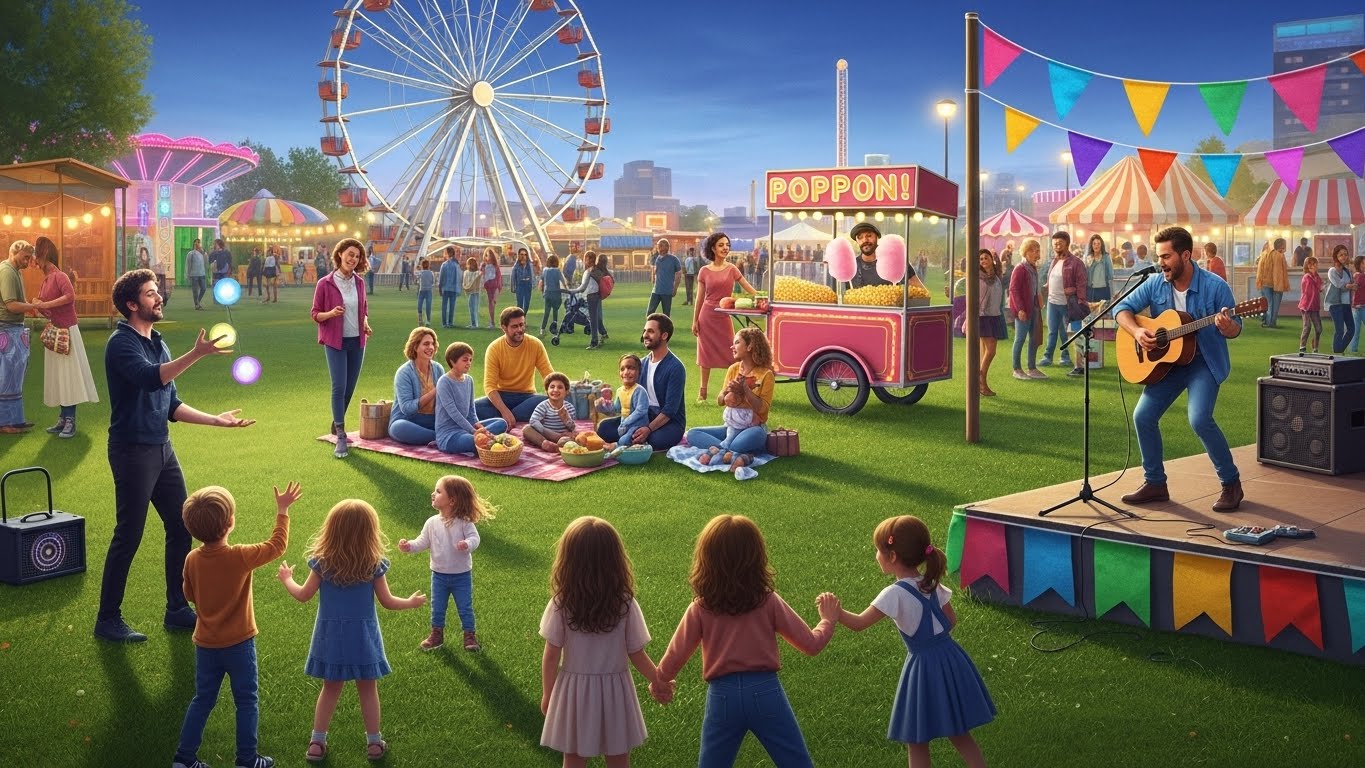
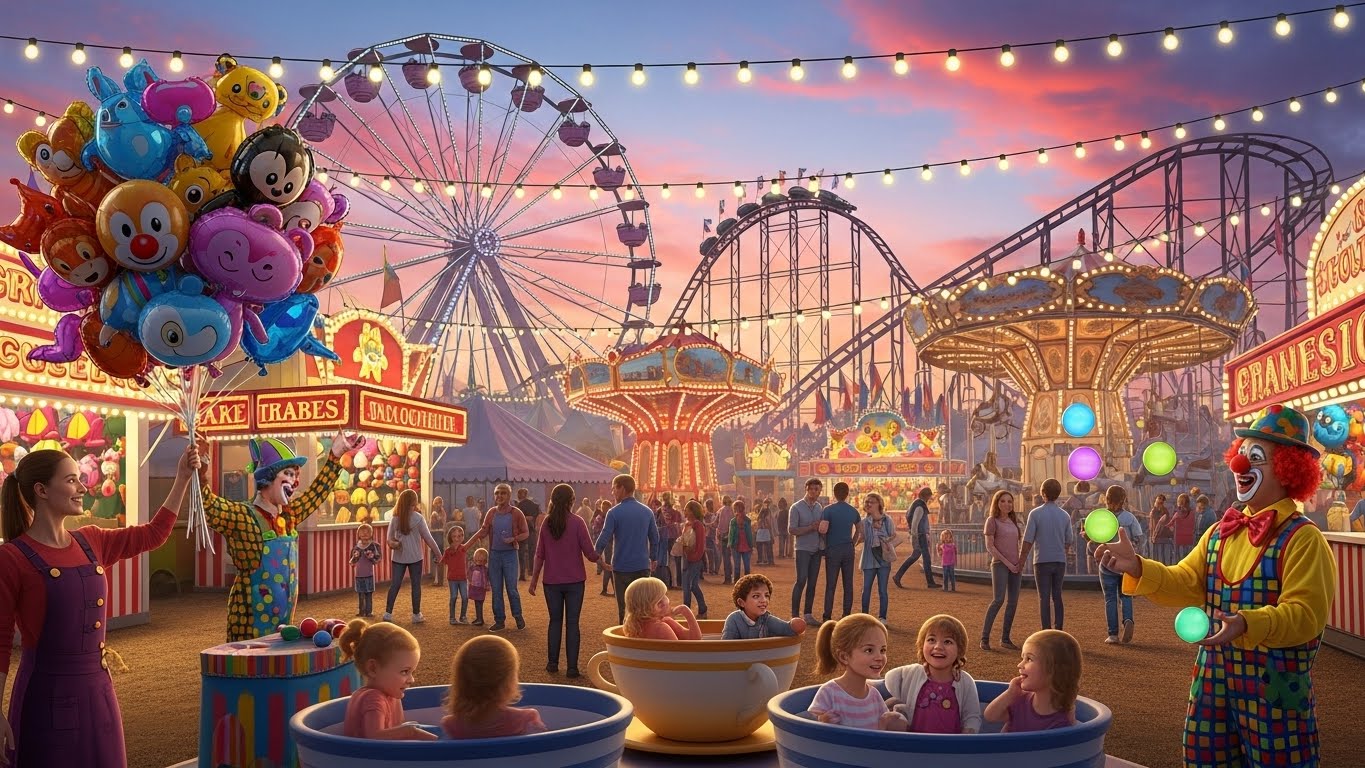
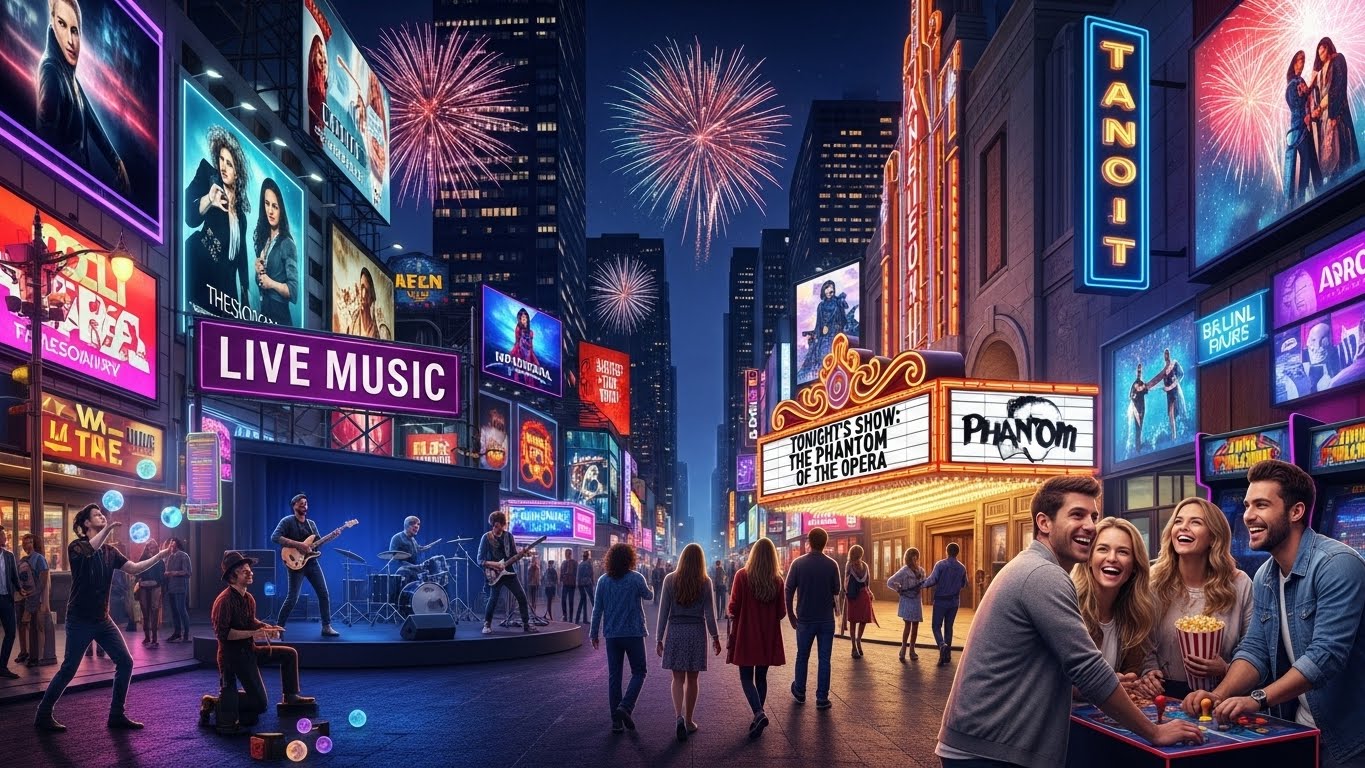
While digital entertainment dominates daily life, live entertainment remains incredibly important. Concerts, theater performances, sports events, festivals, and comedy shows offer shared experiences that cannot be replicated through screens.
Live entertainment creates emotional connections between performers and audiences. The excitement of a live event, the energy of crowds, and the uniqueness of each performance make these experiences memorable.
Even during technological advancements, live entertainment continues to thrive because people crave connection, emotion, and collective joy.
Entertainment’s Influence on Society
Entertainment shapes society in countless ways. It influences fashion, language, behavior, and values. Movies and music can inspire social movements, highlight injustices, and bring attention to important issues. Entertainment is a reflection of society, but it also has the power to shape it.
Characters and stories can spark conversations about identity, diversity, and mental health. Music can express emotions and experiences that people relate to deeply. Games can teach strategy, teamwork, and resilience.
Entertainment also impacts mental health. It provides relaxation, stress relief, and emotional escape. While balance is important, entertainment offers comfort and connection during challenging times.
The Business of Entertainment
Entertainment is not only creative; it is also a massive global industry. Films, music, games, and shows generate billions of dollars every year. Behind the scenes, there are producers, directors, writers, designers, marketers, and countless others who contribute to bringing entertainment to life.
The business side of entertainment continues to evolve. Digital platforms changed revenue models, introduced subscription services, and opened new opportunities for independent creators. Today, anyone with talent and creativity can build an audience and succeed.
The Future of Entertainment
The future of entertainment is full of exciting possibilities. Technology will continue to reshape how people experience media. Virtual reality may allow audiences to step inside stories. Artificial intelligence could create personalized entertainment tailored to individual tastes. Interactive storytelling may blur the line between games, movies, and live experiences.
As technology evolves, one thing will remain constant: entertainment will continue to reflect human imagination. It will adapt, innovate, and inspire, just as it has for thousands of years.
Conclusion
Entertainment is more than amusement. It is a powerful force that shapes culture, connects people, and enriches human life. From ancient storytelling to modern digital worlds, entertainment evolves with society, reflecting our desires, dreams, and creativity. As technology advances and new forms of expression emerge, entertainment will continue to grow, innovate, and inspire future generations.