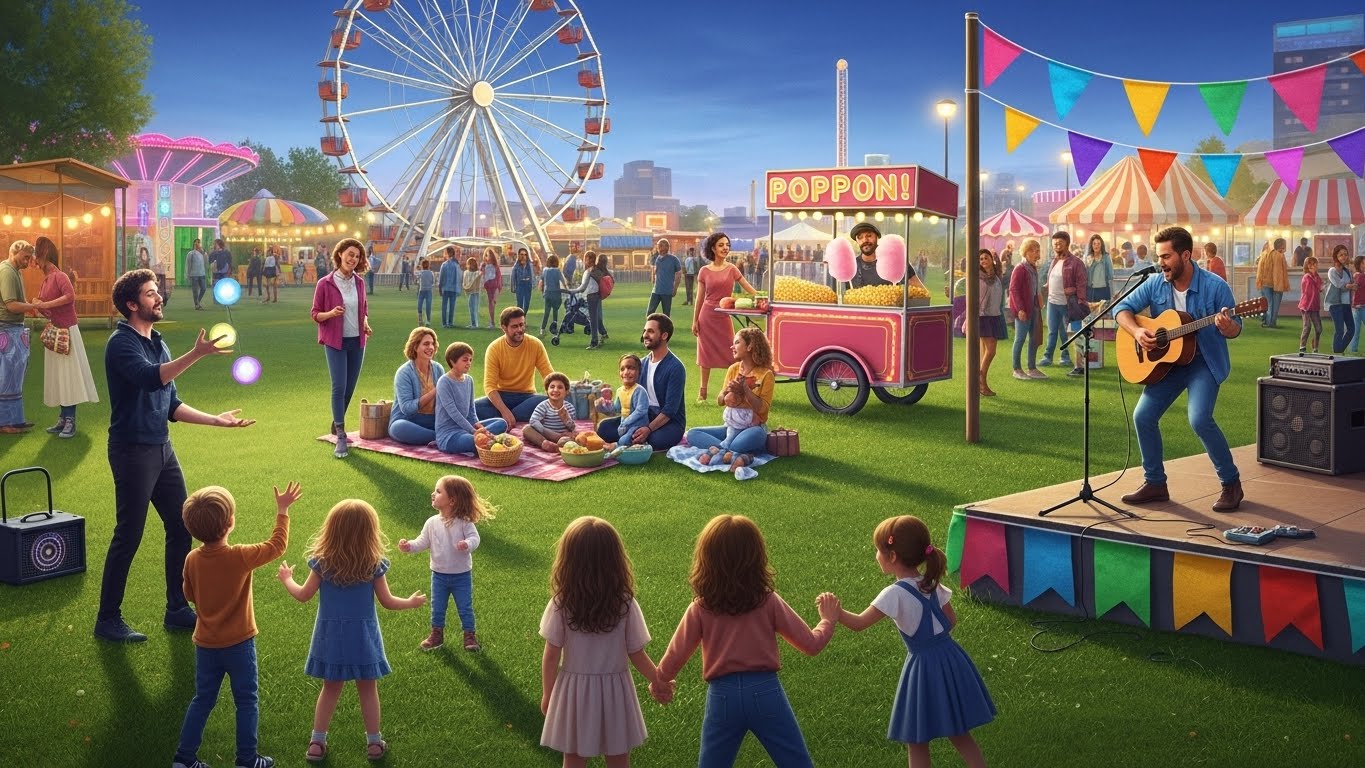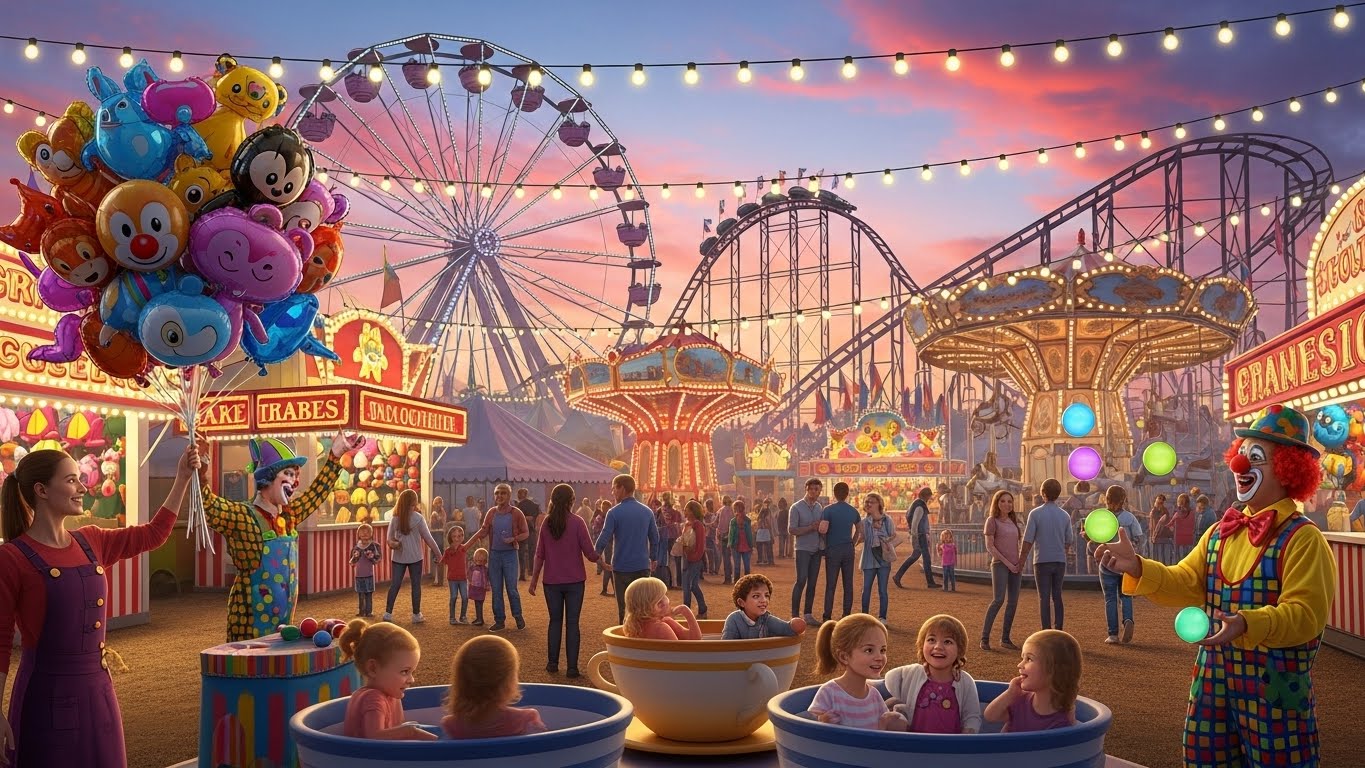
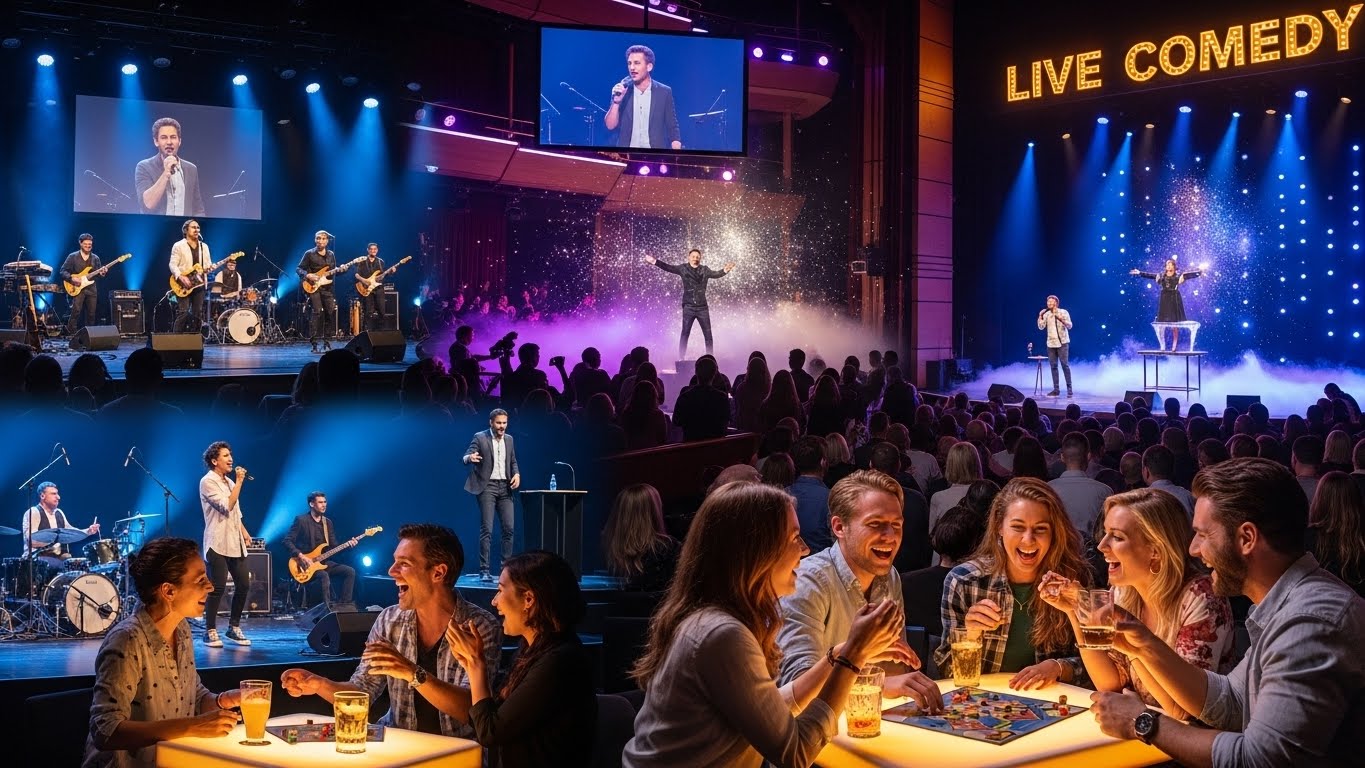
Entertainment has always been a central part of human life. From storytelling around campfires to live theater, music, and cinema, humans have sought ways to engage, relax, and connect through shared experiences. In today’s modern era, entertainment has expanded far beyond traditional mediums, embracing technology, digital platforms, and interactive experiences. This blog explores the evolution of entertainment, its various forms, cultural impact, technological influences, and what the future holds for this ever-evolving industry.
The Evolution of Entertainment: From Ancient Traditions to Digital Experiences
Entertainment has evolved dramatically over centuries. In ancient times, humans relied on oral traditions, dance, and ritual performances to amuse and educate their communities. Storytelling, myths, and folk tales played a dual role: they entertained while transmitting cultural values and societal norms.
With the rise of civilization, entertainment became more structured. Ancient Greeks and Romans developed theater, featuring plays and dramatic performances that explored human emotions, morality, and politics. Similarly, music, poetry, and art flourished as forms of both enjoyment and communication.
The invention of the printing press in the 15th century expanded access to literature, providing new avenues for storytelling and cultural exchange. Later, the 19th and 20th centuries saw revolutionary changes with cinema, radio, and television, which brought entertainment into homes and made it accessible to wider audiences. Each technological leap transformed the way people consumed content and interacted with it.
Forms of Modern Entertainment
The modern era offers a vast array of entertainment options catering to diverse tastes. Today, entertainment is not only about passive consumption; it is an interactive, immersive, and highly personalized experience.
Cinema and Television
Cinema has long been a dominant form of entertainment. Movies allow audiences to escape reality, explore imaginative worlds, and experience emotions vicariously. From blockbusters to independent films, the diversity of storytelling caters to a wide range of audiences.
Television, once the primary medium for mass entertainment, continues to evolve with streaming services. Series, documentaries, and talk shows now compete with digital platforms for attention. Binge-watching and on-demand content have changed viewing habits, allowing audiences to control when and how they consume media.
Music and Performing Arts
Music is a universal language that transcends culture and time. Concerts, festivals, and live performances continue to be popular avenues for entertainment. The rise of digital platforms has made music more accessible, allowing people to explore genres, artists, and cultures from around the world.
Performing arts, including theater, dance, and live shows, combine visual, auditory, and emotional experiences. These forms of entertainment remain essential for cultural preservation and personal enrichment, offering experiences that digital formats cannot fully replicate.
Gaming and Interactive Entertainment
Gaming has become one of the most influential forms of entertainment today. Video games, mobile apps, and virtual reality experiences provide immersive worlds where players can interact, compete, and explore. Unlike passive entertainment, gaming engages players actively, stimulating problem-solving, strategy, and creativity.
Esports and online gaming communities have also redefined entertainment as a social experience. Watching competitive gameplay, participating in multiplayer games, and engaging with content creators provide interactive avenues that blur the line between entertainment and social interaction.
Social Media and Digital Content
Social media platforms have transformed how people consume entertainment. Short videos, livestreams, podcasts, and user-generated content dominate digital spaces. Influencers and content creators have become entertainers in their own right, shaping trends, humor, and cultural conversations.
Digital entertainment is now highly personalized. Algorithms analyze user behavior to suggest content, making the experience tailored to individual preferences. This shift has democratized entertainment creation, giving a global platform to voices that may have been overlooked in traditional media.
The Cultural Impact of Entertainment
Entertainment is more than a leisure activity; it shapes culture, identity, and societal values. Films, music, literature, and games influence how people perceive the world, interact with one another, and express themselves.
Reflection of Society
Entertainment often mirrors societal norms, challenges, and aspirations. Movies and TV shows tackle social issues, explore historical events, and highlight human experiences, offering perspectives that foster empathy and understanding. Music lyrics can capture cultural movements, political sentiments, and personal struggles, resonating with listeners on a deep emotional level.
Social Connection
Entertainment fosters social interaction and community building. Live events, gaming communities, and fan groups create spaces for people to connect, share experiences, and celebrate common interests. These social bonds enhance mental well-being and provide a sense of belonging.
Influence on Lifestyle
Entertainment shapes lifestyle choices, fashion trends, and consumer behavior. Popular films, series, or music artists can influence clothing, language, and social habits. Even interactive entertainment like games impacts cognitive skills, strategic thinking, and creativity, reflecting its role beyond mere amusement.
Technology as a Catalyst in Entertainment
Technological advancements have fundamentally changed how entertainment is produced, distributed, and consumed.
Streaming and On-Demand Platforms
Streaming services allow instant access to movies, series, music, and podcasts. On-demand access eliminates traditional schedules, empowering audiences to create personalized entertainment experiences.
Virtual Reality and Augmented Reality
Virtual and augmented reality technologies have introduced immersive experiences. VR enables fully interactive worlds where users can explore, play, and interact, while AR blends digital content with the real environment, creating novel forms of engagement. These technologies expand entertainment beyond screens, making it participatory rather than purely observational.
Artificial Intelligence
Artificial intelligence enhances personalization, content creation, and recommendation systems. AI analyzes user behavior to suggest content tailored to preferences, creating highly engaging experiences. In gaming, AI-controlled characters, dynamic narratives, and adaptive difficulty improve immersion and satisfaction.
Interactive and Social Media Innovations
Social media and digital tools have transformed entertainment into an interactive dialogue. Livestreams, polls, and collaborative content allow audiences to influence content creation and experience it in real-time. This interactivity has shifted the power from producers to consumers, democratizing entertainment.
Challenges in the Modern Entertainment Industry
Despite its growth, the entertainment industry faces several challenges.
Content Overload
The abundance of content can overwhelm audiences, making it difficult to choose quality entertainment. Platforms must balance quantity with curation to ensure meaningful engagement.
Ethical Concerns
The influence of entertainment on behavior, culture, and social norms raises ethical considerations. Violent or misleading content, addictive gaming mechanics, and inappropriate messaging must be addressed responsibly.
Accessibility and Inclusion
Ensuring entertainment is accessible and inclusive remains a challenge. Representation, accessibility for people with disabilities, and cultural sensitivity are crucial for a truly global entertainment experience.
Piracy and Intellectual Property
Piracy continues to impact revenue for creators and producers. Protecting intellectual property while maintaining accessibility is an ongoing concern for the industry.
The Future of Entertainment
The future of entertainment is likely to be shaped by innovation, interactivity, and cultural integration.
Personalized Experiences
With AI and advanced algorithms, entertainment will become increasingly tailored to individual preferences, moods, and contexts. Content will adapt dynamically, offering unique experiences for each user.
Immersive and Interactive Media
VR, AR, and mixed-reality experiences will become mainstream, allowing users to participate in narratives rather than merely observing them. Interactive storytelling will merge gaming, cinema, and social media into hybrid experiences.
Global and Inclusive Entertainment
As technology connects people worldwide, entertainment will reflect diverse voices, cultures, and perspectives. Inclusive content that resonates with global audiences will become a standard expectation.
Integration with Everyday Life
Entertainment will seamlessly integrate with daily life, from smart homes and wearable devices to augmented environments, offering continuous engagement and enrichment beyond traditional media boundaries.
Conclusion
Entertainment is a reflection of human creativity, culture, and technological progress. From ancient storytelling to digital streaming, immersive gaming, and social media content, it has evolved into a multifaceted industry that shapes society, lifestyle, and human connection.
In the modern era, entertainment is not just a pastime; it is a dynamic force influencing emotions, thoughts, and communities. Technology has expanded its reach, interactivity, and personalization, offering experiences that are increasingly immersive and meaningful. Despite challenges like content overload, ethical concerns, and accessibility, the industry continues to innovate, ensuring that entertainment remains an essential part of human life.
As we look to the future, entertainment promises to become more immersive, interactive, and inclusive, bridging cultural gaps and transforming how we experience leisure. It is a testament to human ingenuity, constantly adapting to our needs, desires, and imaginations, shaping the way we live, connect, and experience the world.