Introduction: The Ever-Changing World of Entertainment
Entertainment has always been a cornerstone of human civilization. From the earliest myths told around a fire to today’s immersive digital experiences, it serves as both a mirror and a window into our lives. In the modern era, entertainment has evolved into a multifaceted industry encompassing movies, music, gaming, theater, live performances, and online content. Technology, culture, and creativity now combine to deliver experiences that are interactive, global, and personalized. This blog explores the evolution of entertainment, its impact on society, the technological innovations shaping it, and the trends that will define its future.
The Power of Storytelling
At the heart of all forms of entertainment lies storytelling. Stories allow humans to connect, empathize, and explore worlds beyond their immediate reality. They are present in literature, theater, cinema, television, music, and even video games. Modern audiences crave narratives that are rich in complexity, offering deep character development, moral dilemmas, and intricate plots.
Interactive storytelling, such as that found in video games and digital series, allows audiences to become part of the narrative, creating a participatory experience rather than a passive one. This evolution highlights the enduring power of stories to shape emotions, inspire reflection, and foster imagination.
Cinema: From Silver Screens to On-Demand Screens
Cinema has long been a central form of entertainment. Over the decades, film has transitioned from silent movies to technologically advanced blockbusters with stunning visuals, sound design, and storytelling techniques. In the modern era, streaming platforms have revolutionized how audiences access films. Viewers can now watch movies from around the world without leaving their homes, bringing global cinema into the mainstream.
Independent films and documentaries, which previously struggled for exposure, now reach audiences easily, diversifying the narratives available. Cinema continues to influence culture, from fashion and music to societal conversations, proving that the power of a well-told story remains timeless.
Television and Digital Series: New Forms of Storytelling
Television has transformed significantly with the rise of digital streaming. Traditional broadcasts are increasingly supplemented by on-demand content, giving audiences the flexibility to watch what they want, when they want. Series today often tackle social issues, historical events, and futuristic concepts, offering entertainment that is both engaging and thought-provoking.
Binge-watching has become a cultural phenomenon, allowing audiences to immerse themselves in entire seasons at once. This shift has encouraged creators to experiment with non-linear narratives, complex character arcs, and serialized storytelling, making television a platform for innovation in narrative design.
Music: The Universal Connector
Music has always been a central form of entertainment, transcending language, culture, and geography. The digital age has made music more accessible than ever, allowing artists to share their work globally. Streaming platforms, social media, and short-form video applications have created new pathways for discovery and virality, enabling songs to become international hits overnight.
Genres continue to evolve, blending traditional styles with modern influences. Music is no longer just a form of artistic expression; it is a social experience, a tool for mood regulation, and a medium through which communities form and grow. Its ability to evoke emotion and inspire connection remains unmatched.
Gaming: The Interactive Revolution
Video games have transformed entertainment by combining storytelling, visuals, and interactivity. Unlike traditional media, games allow audiences to actively participate, shaping the outcome and experiencing narratives firsthand. Multiplayer games have created global communities, connecting people across cultures and borders.
Esports has elevated gaming to the level of professional sport, complete with competitive leagues, tournaments, and celebrity players. Streaming platforms have made games a spectator experience, where audiences can watch, interact, and learn from professional gamers. Gaming represents one of the fastest-growing sectors of entertainment, appealing to a wide range of audiences from casual players to dedicated professionals.
Live Entertainment: The Unmatched Human Connection
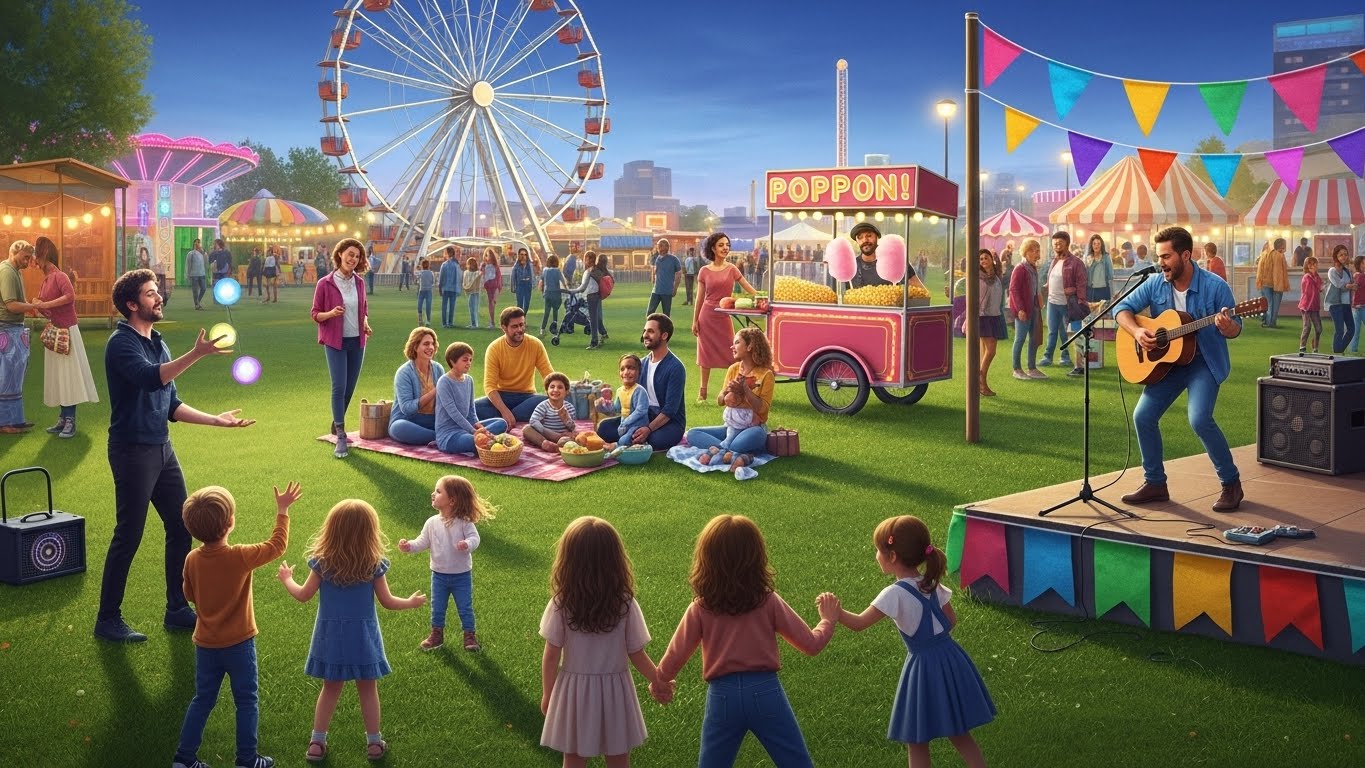
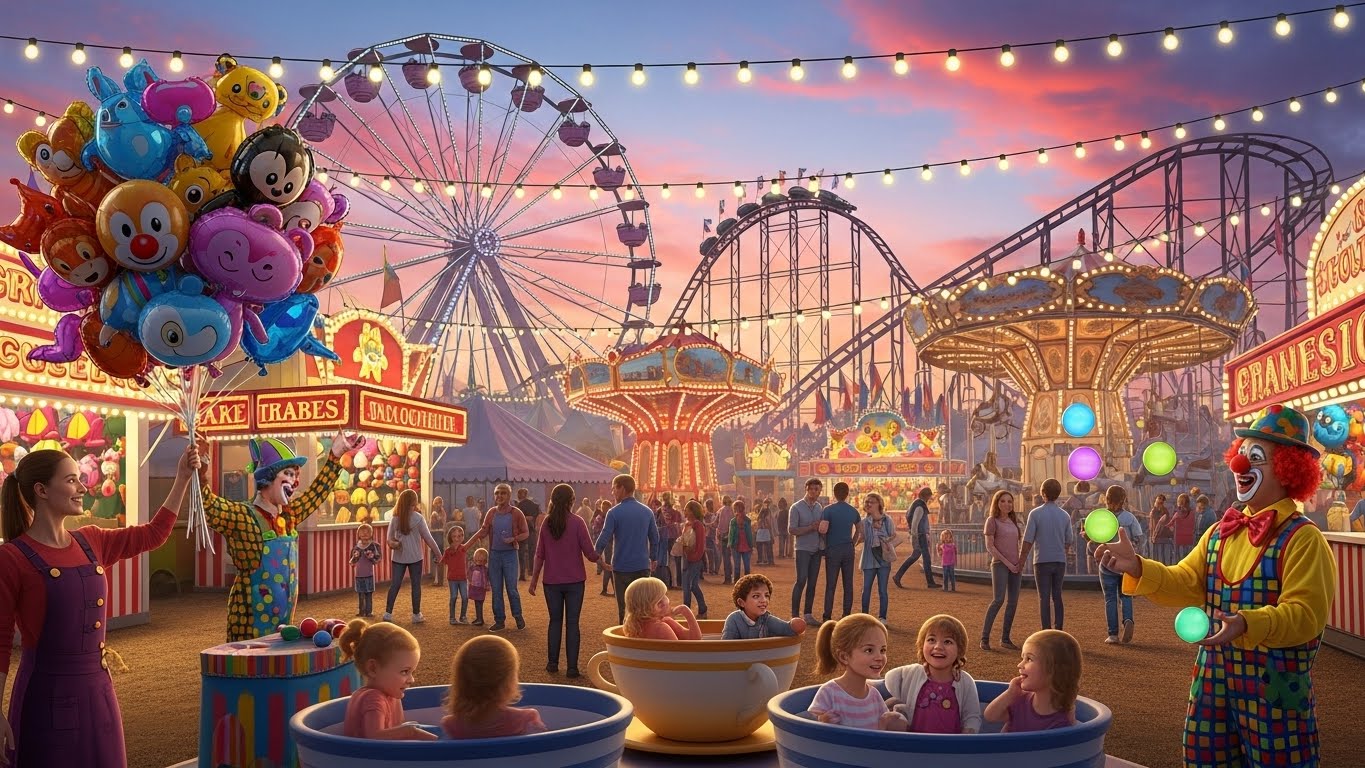
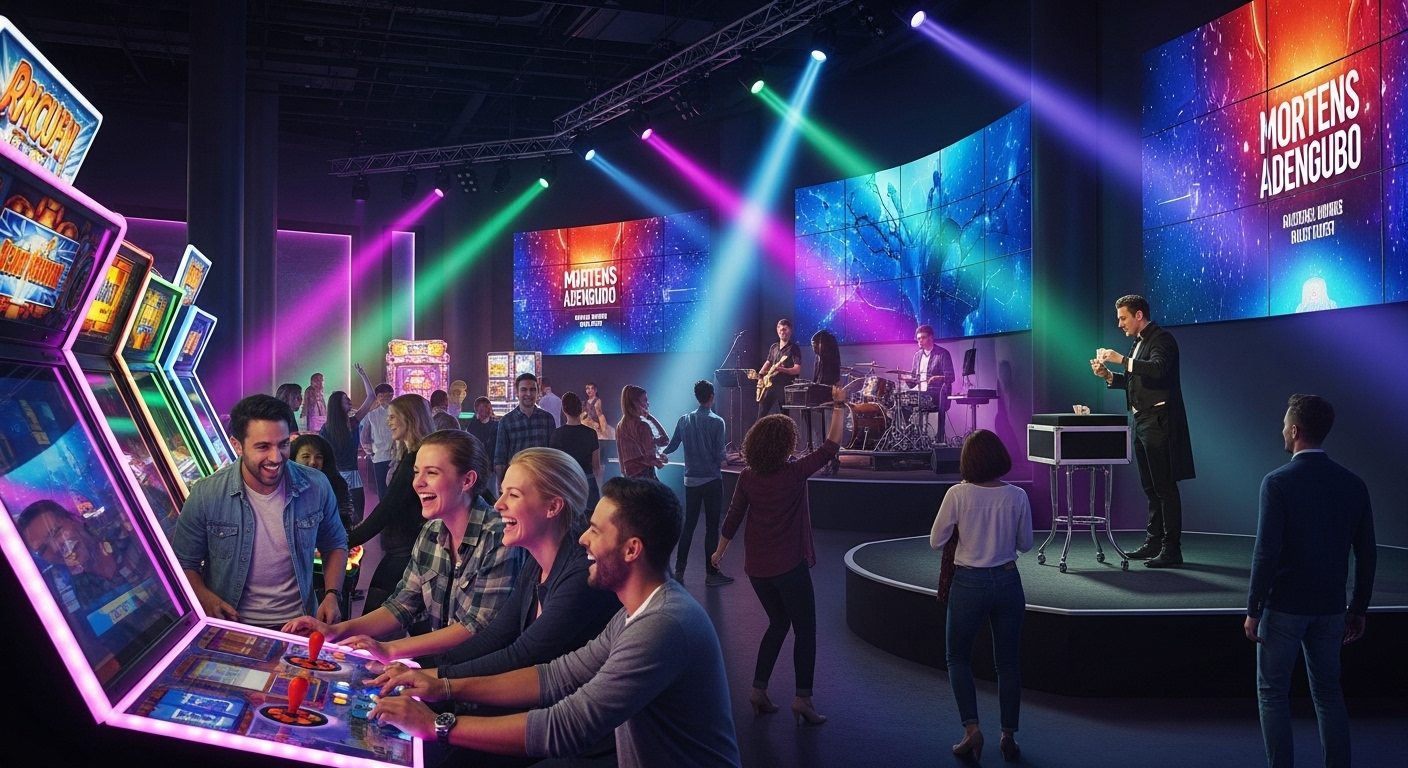
Despite the rise of digital media, live entertainment remains irreplaceable. Concerts, theater performances, festivals, and sports events provide an immersive experience that cannot be replicated on screens. The energy of live audiences, the immediacy of performance, and the sense of shared experience create moments that are both memorable and impactful.
Hybrid formats, which combine physical attendance with digital streaming, have expanded access while maintaining the excitement of live participation. This shows that while technology enhances accessibility, the human connection remains a core aspect of entertainment.
Social Media: Shaping Trends and Engagement
Social media has revolutionized how entertainment is produced, consumed, and shared. Platforms allow creators to connect directly with audiences, share content instantly, and cultivate personal brands. Viral trends, challenges, and memes influence music, film, gaming, and fashion, shaping culture in real-time.
Fans are no longer passive consumers; they participate in discussions, promote content, and shape public opinion. Social media has transformed entertainment into a collaborative, interactive experience, where audience engagement plays as important a role as the content itself.
Technology and Innovation: Expanding the Boundaries
Technology drives the evolution of modern entertainment. High-definition visuals, surround sound, motion capture, virtual reality, and augmented reality provide immersive experiences that were once impossible. Artificial intelligence helps creators develop content, analyze audience preferences, and personalize experiences.
Streaming technology connects audiences globally, making entertainment accessible across devices and platforms. As innovation continues, entertainment will become more immersive, interactive, and tailored, providing experiences that are deeply personal and widely shared.
Cultural Impact of Entertainment
Entertainment is more than amusement; it is a cultural force. Films, music, and games influence fashion, language, and societal values. They provide commentary on political, social, and historical issues, reflecting and shaping the way audiences perceive the world.
Global access to entertainment has fostered cross-cultural understanding. People can experience stories, music, and traditions from distant regions, promoting empathy and cultural exchange. Entertainment acts as a lens through which society examines itself, inspiring dialogue, creativity, and change.
The Business of Entertainment
The entertainment industry is a major economic force. Revenue comes from box office sales, streaming subscriptions, music downloads, live events, merchandise, and advertising. Creators, studios, and platforms compete for attention, relying on analytics to understand audience preferences and predict trends.
Sponsorships, endorsements, and cross-industry collaborations further expand opportunities. The business side of entertainment ensures sustainability while driving innovation, allowing creators to experiment with new formats, genres, and technologies.
Future Trends in Entertainment
The future of entertainment promises deeper interactivity, personalization, and immersion. Virtual reality and augmented reality will allow audiences to step into stories, concerts, and gaming environments. Artificial intelligence may create adaptive narratives that respond to individual choices and behaviors.
Cross-platform experiences, combining film, gaming, music, and live interaction, will blur the lines between traditional forms of entertainment. Collaboration across media, technology, and education will expand both the reach and impact of entertainment. The possibilities are limitless, limited only by creativity and technological advancement.
Conclusion: Entertainment as a Reflection of Humanity
Entertainment reflects human creativity, culture, and technological progress. It educates, inspires, and connects people across generations and geographies. Whether through stories, music, gaming, or live performances, entertainment engages our emotions, stimulates imagination, and fosters social bonds.
As technology advances and audiences demand more interactive, immersive experiences, entertainment will continue to evolve. It remains an essential part of human life, continually redefining what it means to inspire, amuse, and connect in the modern world. The future of entertainment is dynamic, limitless, and deeply intertwined with the way we live, communicate, and imagine.