How Creativity, Technology, and Culture Shape What We Enjoy
Introduction
Entertainment has always been a core part of human life. From the earliest storytelling around fires to the high-definition movies and immersive virtual worlds of today, entertainment continuously transforms. People seek ways to enjoy, escape, laugh, relax, and connect, and the world of entertainment gives them pathways to do so. What makes entertainment fascinating is its ability to evolve with time, technology, and society. It reflects who we are, what we value, and how we express ourselves. Today, entertainment is more diverse, interactive, and global than ever before. This blog explores how entertainment has changed, what drives its growth, and why it remains essential in shaping our lives.
The Roots of Entertainment
To understand modern entertainment, it is important to recognize where it all began. Early civilizations created entertainment for spiritual, cultural, and communal purposes. Storytelling served as a way to preserve history and pass down wisdom. Music and dance brought communities together during celebrations and rituals. Theatre emerged as a powerful tool for expression, humor, and drama. Even sports originated as physical contests that brought enjoyment, challenge, and unity. These early forms may seem simple compared to today’s complex entertainment world, but they built the foundation of creativity, performance, and shared experience.
The Rise of Mass Entertainment
The invention of printing, photography, film, and radio revolutionized how entertainment reached people. Books allowed stories to expand across generations and continents. Cinema transformed the world by bringing visual storytelling to life, creating heroes, villains, emotions, and adventures on large screens. Radios became household companions, offering music, drama, news, and humor. The twentieth century introduced television, which rapidly became one of the most influential entertainment platforms. For the first time, millions could watch the same shows and share similar cultural experiences, shaping global trends and lifestyles.
Entertainment in the Digital Age
The digital revolution completely reshaped entertainment. The arrival of computers and the internet created new forms of media that were fast, interactive, and accessible. People could watch content anytime, anywhere. Social media opened doors for everyone to share creativity, express opinions, and become performers in their own ways. Streaming platforms changed viewing habits by allowing viewers to enjoy shows and movies on demand. Entertainment became personal, customizable, and limitless. The digital age blurred the lines between creator and audience, giving rise to influencers, online entertainers, independent filmmakers, and digital musicians.
The Transformation of Music
Music is one of the most powerful forms of entertainment. It evolves constantly, reflecting emotions, cultures, and eras. In the past, music reached listeners through live performances, vinyl records, and radio broadcasts. Today, digital tools allow artists to produce music from home studios and share it globally. Genres blend, new styles emerge, and listeners enjoy endless access to songs from all over the world. Music videos, online concerts, and virtual collaborations create unique experiences. The music industry now thrives on creativity, technology, and global connections, allowing even independent artists to rise with talent and originality.
Cinema and the Era of Visual Excellence
Movies remain one of the strongest sources of entertainment. From silent films to modern blockbusters, cinema continues to grow with innovation. Today’s filmmakers use advanced visual effects, CGI, and storytelling methods to bring unimaginable worlds to life. Audiences can enjoy everything from emotional dramas to science fiction adventures, animated fantasies to historical epics. The rise of high-quality home entertainment means viewers can experience cinematic brilliance from their living rooms. At the same time, theatres continue to offer the joy of shared experiences. Cinema’s strength lies in its ability to evoke emotions, spark imagination, and inspire generations.
The Evolution of Television
Television has transformed dramatically over the years. Traditional TV had fixed schedules, limited channels, and a mostly passive audience. Now, entertainment has shifted to storytelling that is deeper, more complex, and global. High-quality television series with cinematic production values have become cultural sensations. Viewers can enjoy entire seasons in one sitting, explore different genres, and connect with diverse characters. Television has expanded beyond screens in living rooms to mobile phones, tablets, and laptops. This flexibility changed the way people enjoy stories, allowing them to experience entertainment at their own pace.
Gaming as a Mainstream Form of Entertainment
Gaming, once considered a niche hobby, is now one of the most influential entertainment industries. Video games offer interactive storytelling, immersive experiences, and global communities. Players can explore vast worlds, compete in challenges, or collaborate in online missions. Modern games combine art, music, cinematography, and technology, making them one of the most sophisticated entertainment mediums. The rise of competitive gaming and virtual worlds attracts millions of fans. Gaming also encourages creativity through features like character customization, world building, and user-generated content. Its impact on culture, education, and technology continues to grow.
The Influence of Social Media
Social media has turned everyday communication into a major entertainment platform. People create, watch, and share content in multiple forms including short videos, comedy skits, lifestyle updates, reviews, and creative challenges. Social media influencers play a significant role in shaping trends, fashion, music tastes, and entertainment habits. Platforms allow users to showcase talents, tell stories, and connect with audiences across the world. Social media has also made entertainment faster, spontaneous, and real-time, creating viral moments and global conversations within minutes. It has become a new stage that welcomes everyone.
The Growth of Live Entertainment
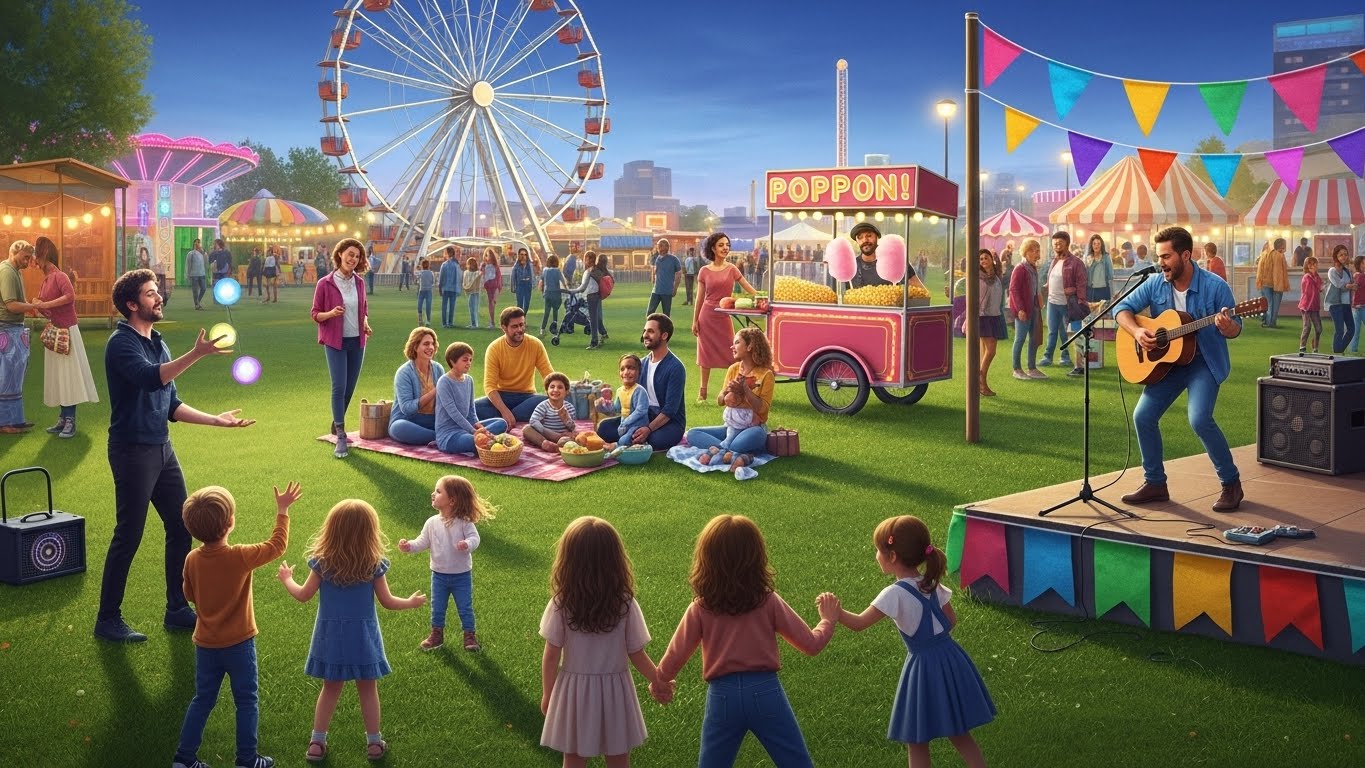
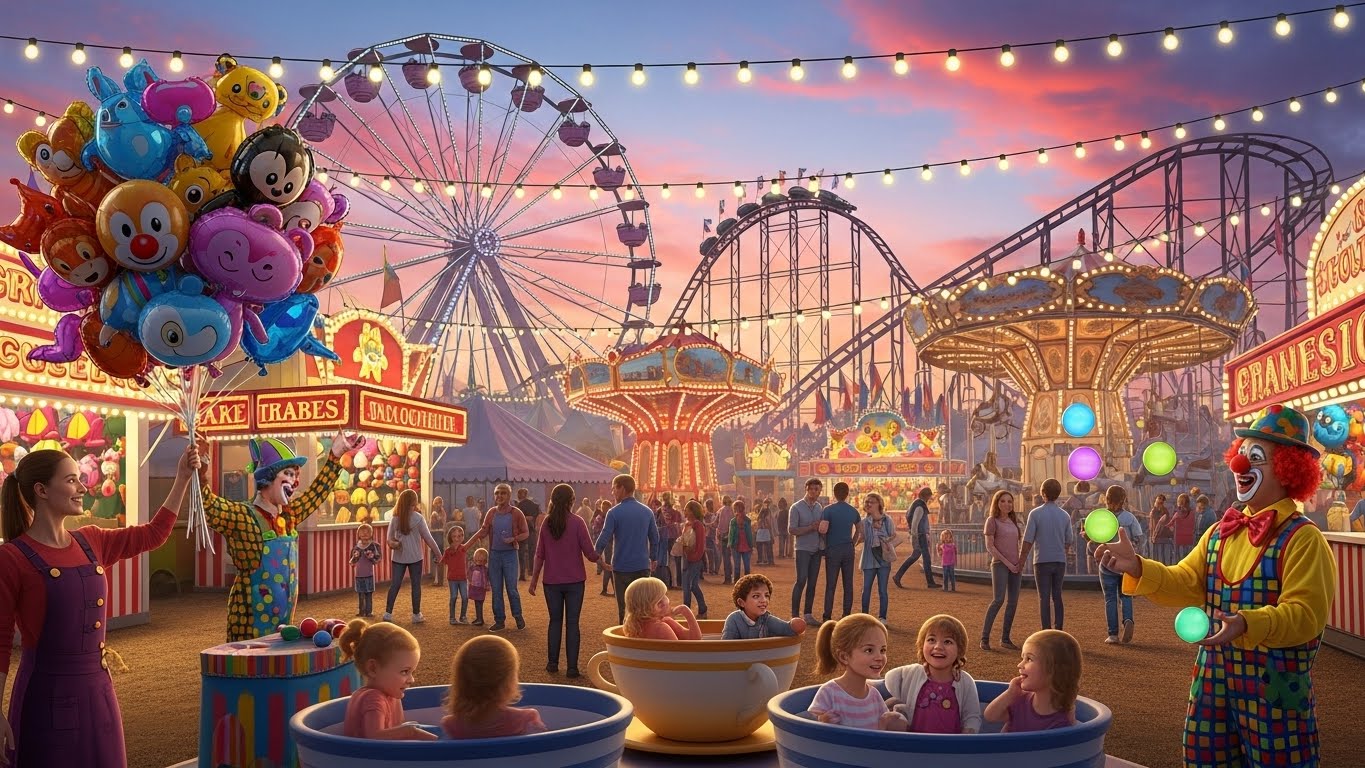
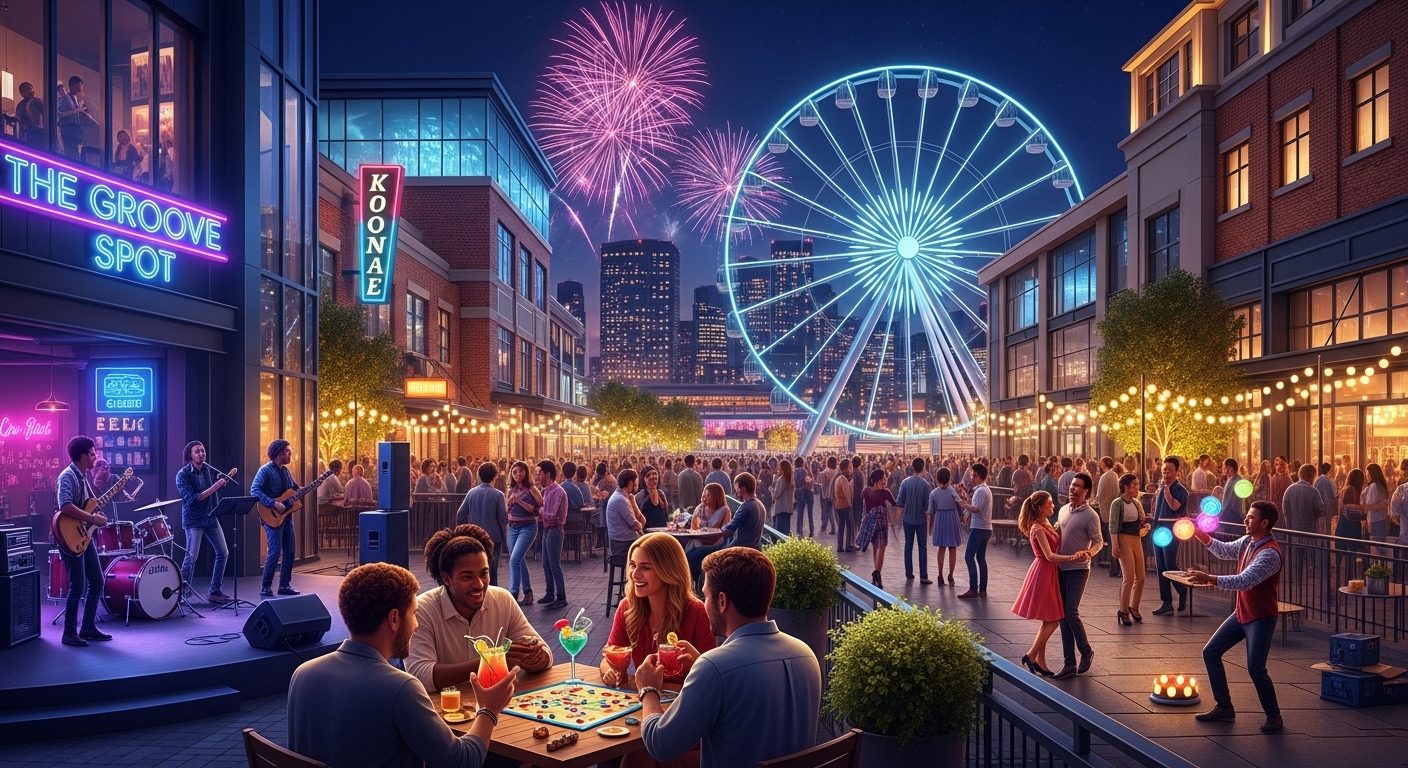
While digital entertainment dominates modern life, live entertainment remains deeply cherished. Concerts, theatre shows, sports events, magic performances, and festivals provide unforgettable moments. The energy of a live audience creates a sense of community that digital screens cannot replace. Live entertainment also celebrates human skill and creativity in real time. In recent years, hybrid experiences combining live and digital elements have emerged, expanding accessibility while preserving the excitement of live performance.
The Role of Cultural Diversity
Entertainment thrives on cultural diversity. Different regions contribute unique music, dance, films, stories, and artistic traditions. As global connectivity increases, people gain exposure to content from various cultures. International movies and series reach global audiences, allowing stories from different backgrounds to shine. Music genres mix influences from different countries, creating new global sounds. Cultural diversity enriches entertainment, promotes understanding, and bridges differences among people.
Technology and the Future of Entertainment
Technology continues to shape the future of entertainment. Virtual reality, augmented reality, and artificial intelligence open new creative possibilities. VR allows users to enter immersive environments, AR blends digital content with reality, and AI assists in generating ideas, music, visuals, and interactive experiences. As technology becomes more advanced, entertainment will grow more personalized and immersive. Smart devices, holograms, and interactive storytelling are expected to further transform how people engage with content.
Why Entertainment Matters
Entertainment is more than amusement. It supports emotional well-being, reduces stress, and inspires creativity. It brings people together, strengthens cultural identity, and provides an escape when needed. Entertainment can motivate, educate, and influence society. It creates shared experiences that connect people across borders, languages, and beliefs. In a world filled with challenges, entertainment offers a space to relax, reflect, and feel joy.
Conclusion
Entertainment has come a long way from ancient storytelling to modern digital creativity. It continuously adapts, grows, and reshapes itself with every new generation. As technology evolves and cultures blend, entertainment becomes even more dynamic and diverse. No matter how it changes, its purpose remains the same to bring happiness, connection, inspiration, and meaning to our lives. The world of entertainment is an endless journey of imagination and innovation, and its evolution will continue to shape how we enjoy and experience life.