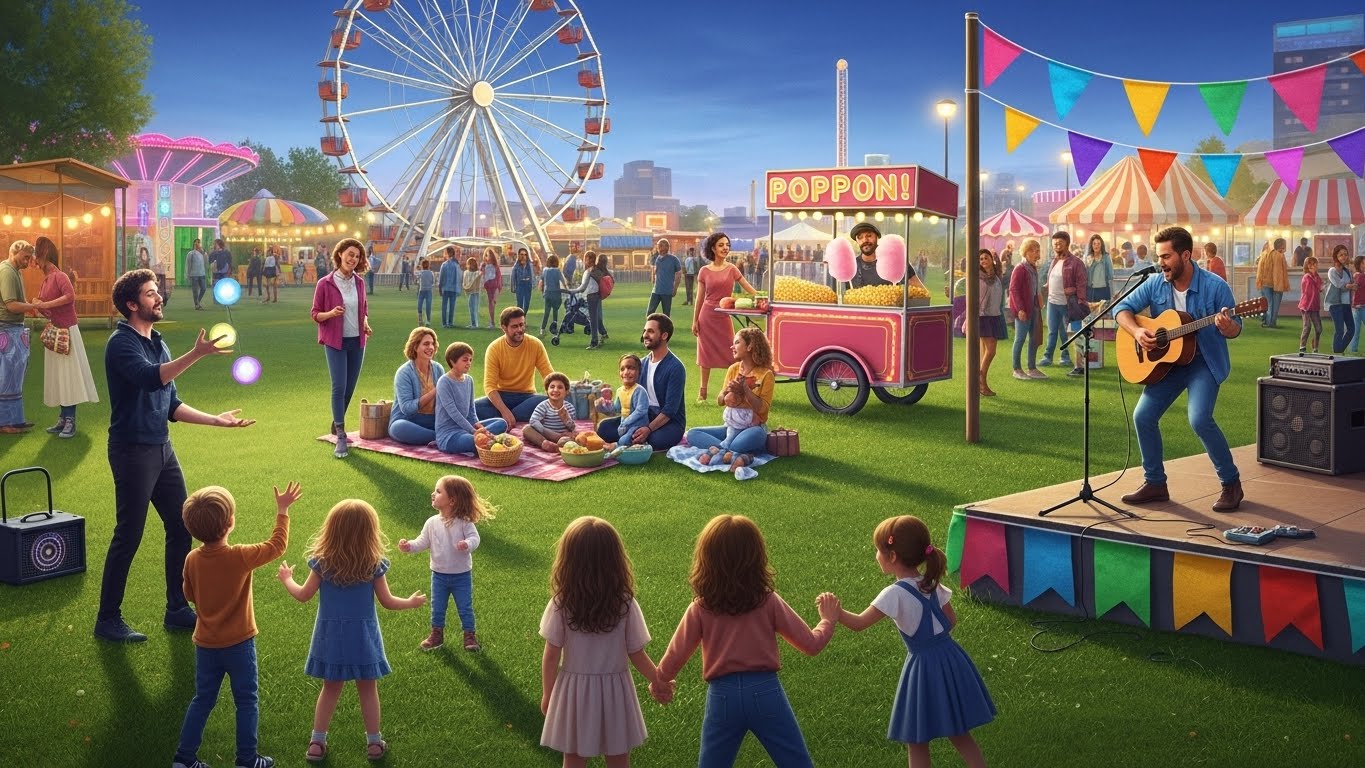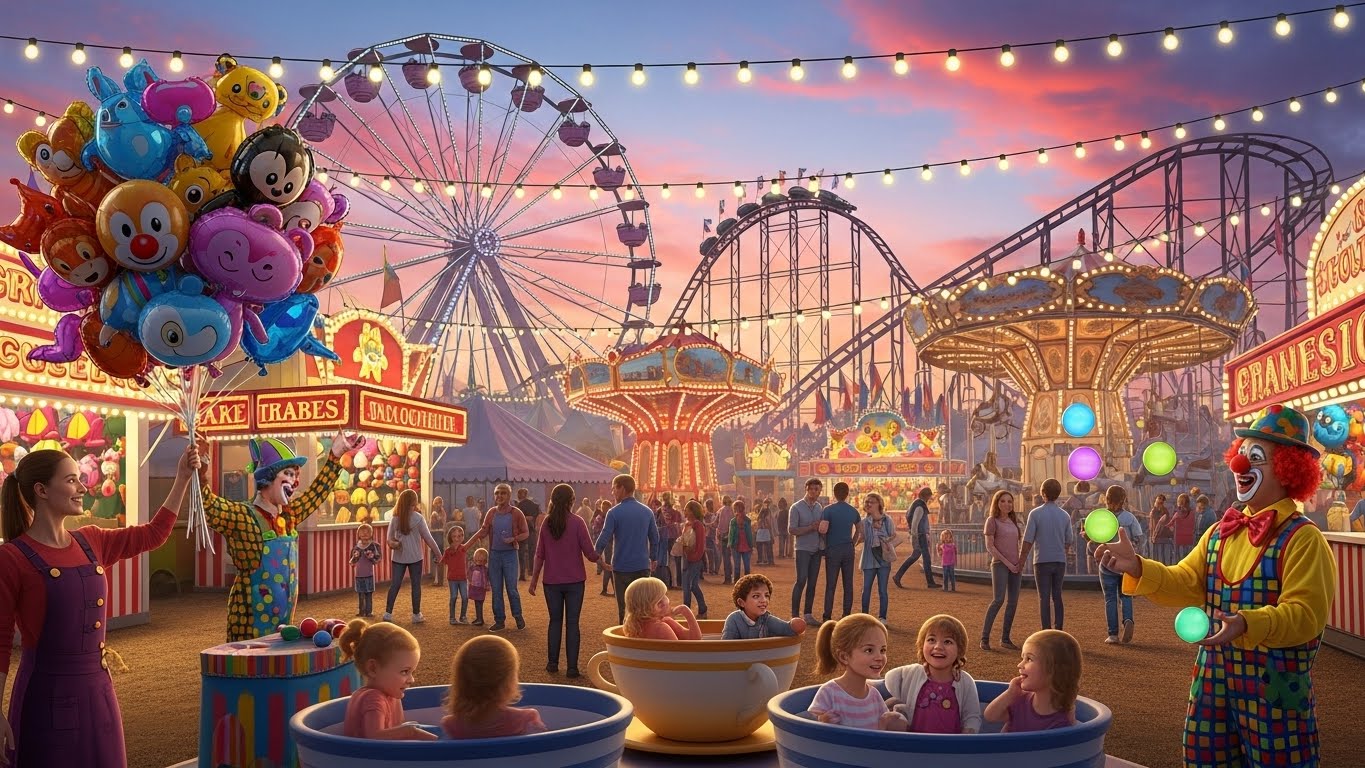
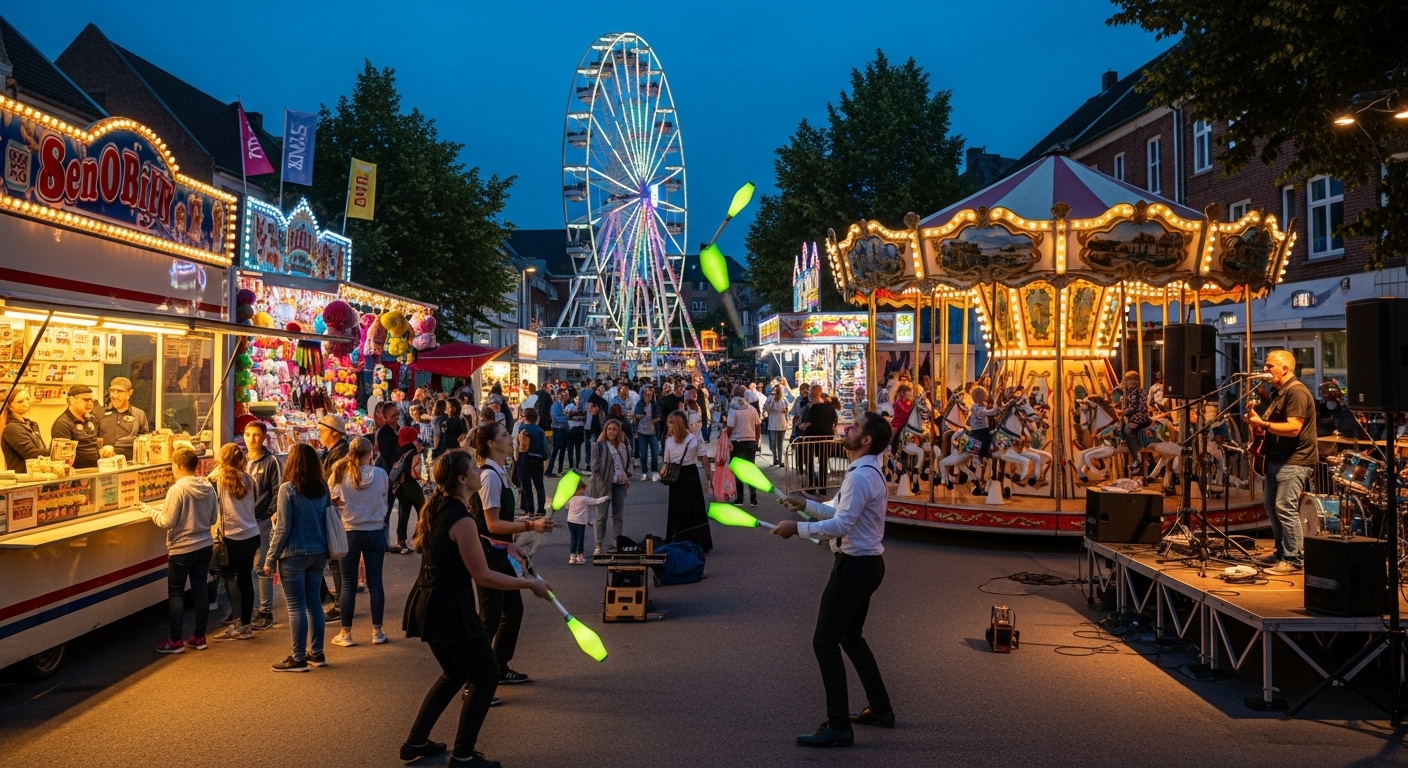
Entertainment is the heartbeat of modern culture. It connects people across boundaries, inspires creativity, and offers moments of escape from the everyday world. Whether it is a thrilling film, a soulful song, or a captivating game, entertainment brings life to human emotions. In every form, it reflects who we are, what we value, and how we see the world around us. As time progresses, entertainment continues to evolve, adapting to new technologies and audiences while keeping the same core purpose — to make us feel alive.
The Roots of Entertainment: From Rituals to Performance
Long before screens and music streaming, entertainment existed in its purest form — storytelling, dance, and song. Ancient civilizations used entertainment not only for joy but also for community bonding and education. In ancient Egypt, festivals and dramatic performances were held to honor gods and celebrate harvests. The Greeks gave birth to theater, where tragedy and comedy became reflections of human emotion. In medieval Europe, traveling performers and bards entertained crowds with tales of heroism and love.
These early forms of entertainment built the foundation for what we know today. They showed that humans have always needed stories — not just to escape reality but to understand it. Every civilization’s art and performance reveal what that society believed, feared, and celebrated.
The Golden Age of Performance and Music
As societies advanced, so did the sophistication of entertainment. The Renaissance era witnessed the flourishing of arts, theater, and music. Opera houses opened their doors to audiences hungry for emotion and beauty. Later, the invention of instruments and orchestras gave rise to classical compositions that remain timeless today.
By the 19th century, entertainment had begun to merge with technology. The birth of photography, cinema, and the radio transformed how people experienced art and performance. For the first time, entertainment could reach beyond live audiences to homes and cities far away. This was the beginning of the entertainment industry as we know it — structured, commercial, and global.
Cinema: The Magic of Moving Images
The invention of motion pictures revolutionized human imagination. The silent film era introduced storytelling through expressions and movement, while the addition of sound brought a new dimension to creativity. Films became not only a source of joy but also a medium of cultural expression. They depicted dreams, struggles, and social realities that audiences across the world could relate to.
Hollywood rose as the epicenter of the film world, creating stars and shaping global trends. Meanwhile, other countries developed their own film industries, each with unique voices and styles. From Indian Bollywood musicals to European art cinema, film became a universal language understood by emotions rather than words.
The Era of Television: Entertainment at Home
When television entered homes, it changed family life forever. People no longer had to go out to be entertained; the world came to them. Television became a storyteller, a teacher, and a companion. Sitcoms, news broadcasts, sports, and talk shows filled living rooms with laughter, learning, and connection.
Television also influenced how people perceived society. It shaped fashion, language, and culture. Iconic shows and televised events became collective memories that defined generations. The medium not only entertained but also united people in shared experiences — whether it was watching a world cup, a political debate, or a beloved comedy show.
The Digital Revolution: A New World of Possibilities
The rise of the internet in the late 20th century changed the face of entertainment forever. Suddenly, content was no longer controlled by studios or networks — it was accessible to anyone, anywhere. Streaming platforms, digital games, podcasts, and social media became the new stages for performers and creators.
This transformation gave rise to a new era of creativity. Musicians could share their songs without record labels. Independent filmmakers could reach global audiences. Even everyday individuals could become entertainers through short videos and live streams. The power of entertainment shifted from a few producers to millions of creators, each bringing their unique voice to the world.
Music: The Soundtrack of Human Emotion
Among all forms of entertainment, music remains the most universal. It speaks to the heart directly, crossing barriers of language and culture. Every generation has its rhythm, every decade its sound. From jazz and rock to hip-hop and electronic beats, music evolves alongside society.
Today’s music industry blends art with innovation. Digital production, virtual concerts, and global collaborations have made music more diverse than ever. Yet, no matter how advanced the tools become, the essence of music remains the same — it is emotion in motion. It is the sound of the soul trying to connect with others.
The Rise of Gaming and Interactive Entertainment
In the modern age, gaming has emerged as one of the most powerful entertainment industries. What started as simple arcade games has transformed into a world of immersive storytelling, stunning visuals, and social interaction. Games today are not just about winning; they are about experiencing narratives, solving challenges, and exploring creativity.
Esports, competitive gaming tournaments, and virtual worlds have turned players into global celebrities. Gaming communities now rival the size of traditional sports fanbases. This evolution proves that entertainment is no longer passive — it’s participatory. People don’t just watch stories unfold; they become part of them.
The Emotional Connection Between Entertainment and Humanity
Entertainment has always mirrored human emotion. It makes us laugh when we need joy, cry when we seek release, and think when we need perspective. It can heal, inspire, and unite. During difficult times, people often turn to entertainment for comfort. A film can lift the spirit, a song can heal the heart, and a book can restore hope.
Moreover, entertainment connects people who have never met. Fans of a movie franchise, a music artist, or a sports team share a bond that transcends borders. This emotional link gives entertainment a unique power — it not only reflects humanity but also strengthens it.
Cultural Identity and Representation in Entertainment
In recent years, there has been growing recognition of the importance of diversity in entertainment. For too long, many cultures and communities were underrepresented or misrepresented. Now, audiences demand stories that reflect the real world in all its variety.
Representation matters because it shapes perception. When people see themselves on screen or hear their stories in music, it validates their identity and inspires pride. Global entertainment is gradually embracing this change, producing more inclusive content that celebrates different backgrounds, languages, and experiences. This not only enriches art but also builds empathy and understanding among audiences worldwide.
The Business of Entertainment: Creativity Meets Commerce
Behind every show, song, or movie lies a complex business system. The entertainment industry is one of the largest economic forces in the world. It employs millions of artists, technicians, producers, and marketers. But beyond profit, it thrives on creativity and innovation.
Successful entertainment today is a blend of artistic vision and strategic marketing. Whether it is a blockbuster film, a viral song, or an online influencer, the key lies in understanding the audience. Trends change rapidly, and those who can adapt to shifting tastes often lead the industry. The balance between art and business keeps entertainment dynamic and forward-moving.
Technology and the Future of Entertainment
Technology continues to push entertainment into uncharted territory. Virtual reality, augmented reality, and artificial intelligence are transforming how audiences experience stories. Imagine watching a movie where you can walk inside the scene, or listening to music that changes with your mood — these innovations are already becoming real.
Artificial intelligence is helping creators design new sounds, write scripts, and even generate visual art. Virtual concerts and digital influencers are redefining fame. As technology grows more advanced, the line between reality and imagination becomes increasingly blurred. The challenge will be to keep the human touch alive in this digital landscape.
Entertainment as a Reflection of Society
Entertainment is often a mirror of its time. Through films, music, and art, we can trace the evolution of society — its struggles, dreams, and transformations. The issues of race, gender, politics, and environment are all explored through entertainment. It helps people question norms, spark discussions, and imagine better worlds.
When a film exposes injustice or a song calls for change, entertainment becomes more than amusement — it becomes activism. It gives voice to those unheard and encourages collective progress. In this way, entertainment serves both the heart and the mind.
Why Entertainment Will Always Matter
No matter how advanced technology becomes or how fast the world changes, entertainment will always remain essential to human life. It feeds creativity, strengthens emotional well-being, and connects communities. It gives people reasons to dream and opportunities to express themselves.
Entertainment is not just about distraction; it is about celebration — of life, of culture, of imagination. It reminds us that even in chaos, there is beauty. Even in routine, there is rhythm. And even in silence, there is a story waiting to be told.
Conclusion: The Endless Dance of Expression
Entertainment is more than an industry; it is a language of emotion that transcends time. From ancient drumbeats to digital symphonies, it continues to shape the rhythm of human life. Every generation adds its own voice to this eternal dance of expression.
As we move into the future, entertainment will keep evolving, reflecting our values, fears, and hopes. It will continue to unite people through laughter, music, stories, and dreams. The world may change, but the human need to create, to feel, and to share will never fade. Entertainment is, and always will be, the heartbeat of humanity.