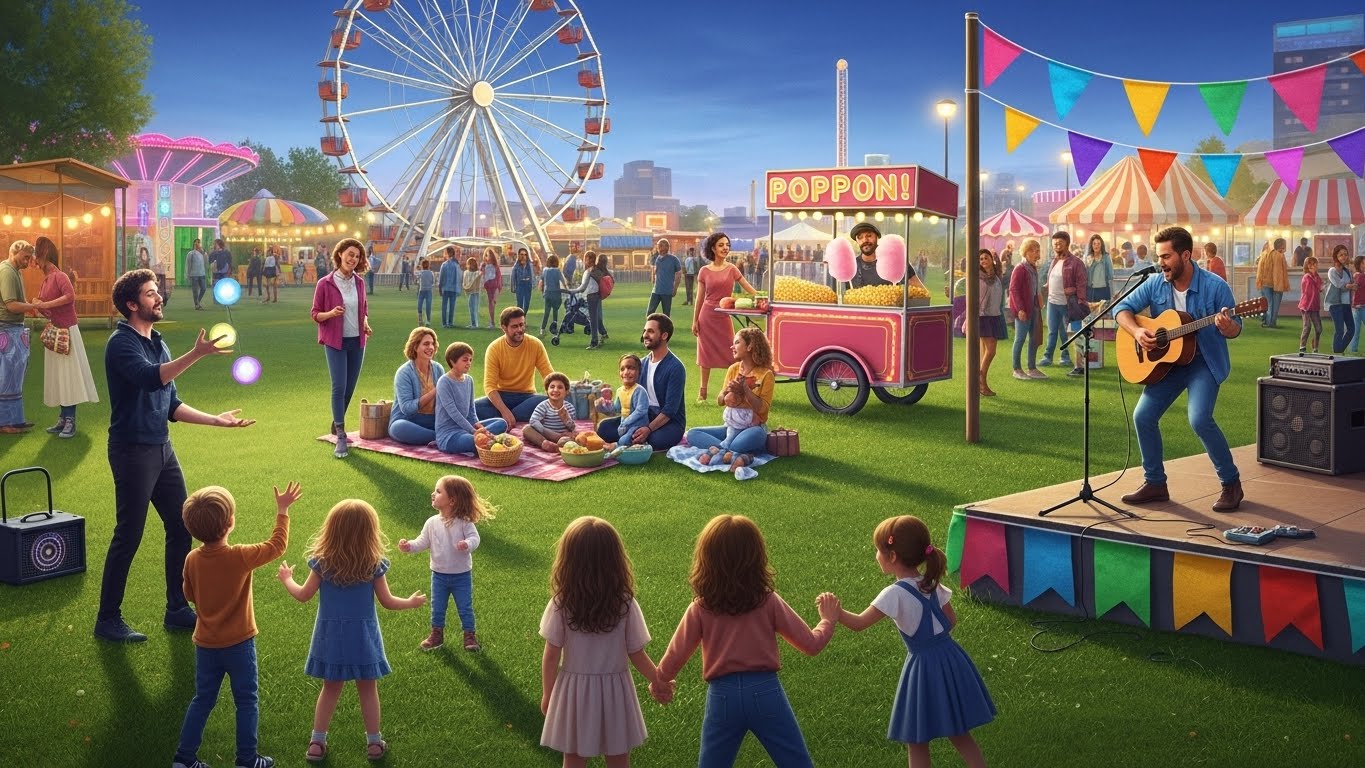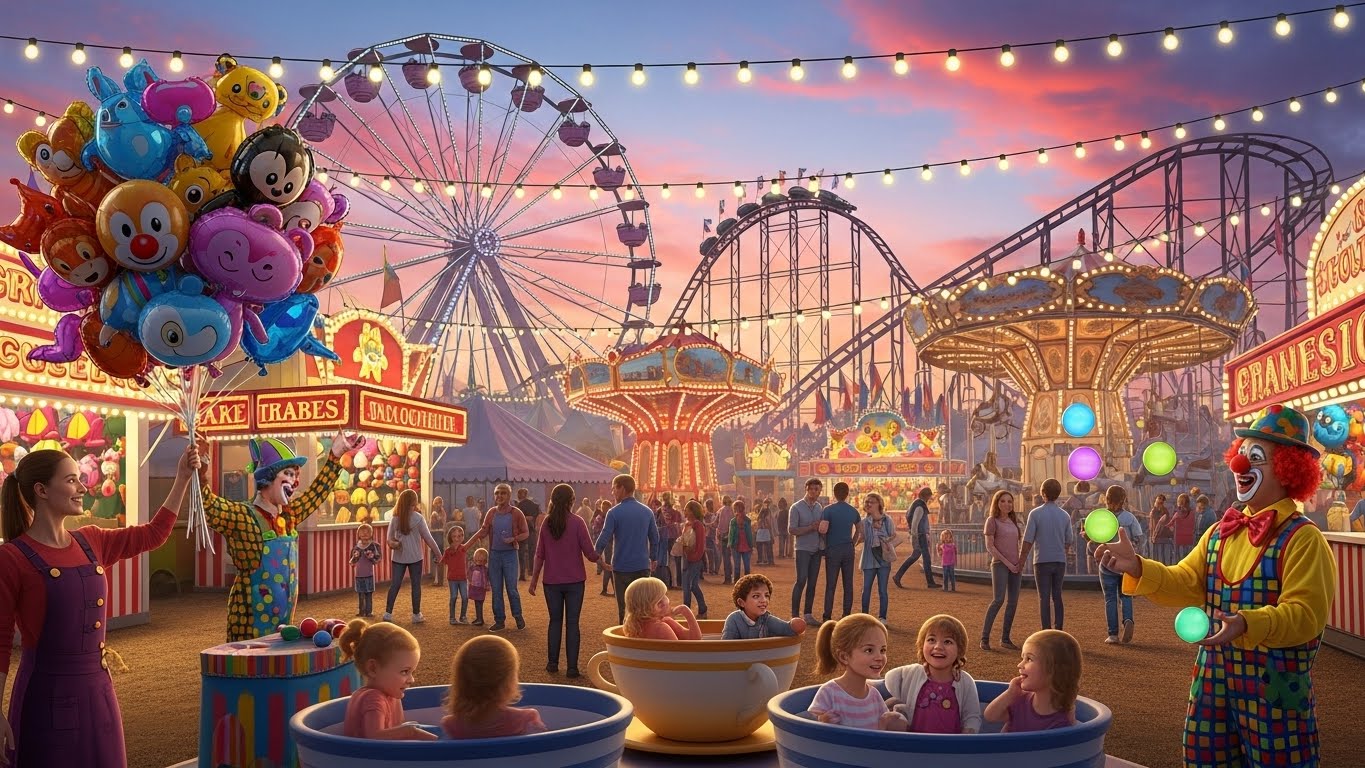

Entertainment is an essential part of human life, providing a sense of joy, escapism, and connection to the world around us. Whether it’s through movies, music, sports, video games, or social media, entertainment touches every aspect of our daily lives. Over the years, the nature of entertainment has undergone dramatic changes. Technological advancements, cultural shifts, and new forms of media have all played significant roles in shaping the entertainment landscape. In this blog post, we will explore the evolution of entertainment, its impact on society, and what the future holds for this ever-evolving industry.
The Early Forms of Entertainment: From Theaters to Storytelling
The roots of entertainment can be traced back to the earliest days of human civilization. Before the invention of television, cinema, and digital media, entertainment was often simple, communal, and local. Early humans would gather around a fire to hear stories, sing songs, and engage in physical activities such as dancing or playing games. These forms of entertainment not only provided a sense of joy but also played an essential role in preserving culture and traditions.
In ancient civilizations like Egypt, Greece, and Rome, theatrical performances became central to public life. Greek drama, with playwrights such as Sophocles and Euripides, and Roman gladiatorial contests, were not just forms of entertainment but also social and political events. These early forms of entertainment were often seen as a way to communicate cultural values, reflect on societal issues, and unite communities.
As societies evolved, the nature of entertainment began to change. The invention of the printing press in the 15th century made books more accessible, leading to a rise in literacy and the spread of stories. Meanwhile, live performances at theaters and opera houses continued to thrive, laying the foundation for what we now recognize as modern entertainment.
The Golden Age of Cinema: From Silent Films to Blockbusters
The early 20th century saw the birth of modern mass entertainment with the advent of cinema. Silent films became a global sensation, with early stars like Charlie Chaplin capturing the imaginations of audiences worldwide. These films offered an escape from the harsh realities of life, providing both spectacle and storytelling that had never been seen before.
The transition from silent films to “talkies” in the late 1920s was one of the most significant milestones in entertainment history. The introduction of synchronized sound revolutionized the film industry, leading to the rise of iconic actors, directors, and studios. Hollywood emerged as the epicenter of global entertainment, and movies became the dominant form of entertainment for people around the world.
The mid-20th century marked what is now considered the Golden Age of Hollywood, with timeless classics such as Gone with the Wind, Casablanca, and The Godfather capturing the imaginations of millions. During this time, the movie industry grew into a massive cultural force, shaping not just entertainment but also fashion, politics, and social norms. The spectacle of movies, their ability to transport people to different worlds, and the larger-than-life personalities of stars made cinema an unparalleled source of mass entertainment.
As technology continued to advance, movies grew in scale. The 1970s and 1980s saw the rise of the blockbuster era, with films like Jaws, Star Wars, and E.T. the Extra-Terrestrial introducing new special effects and innovative storytelling techniques. These films captured the collective imagination of millions and introduced a new era of visual storytelling that continues to influence the industry today.
Television: The Rise of the Small Screen
While cinema was the dominant form of entertainment throughout much of the 20th century, television emerged in the mid-20th century as a new medium that revolutionized how people consumed entertainment. In the early days of TV, programming was limited to a few hours a day, with shows primarily focused on news, drama, and variety acts.
By the 1960s and 1970s, television had become a household staple, with sitcoms like I Love Lucy and The Mary Tyler Moore Show drawing millions of viewers each week. TV became a place not only for family entertainment but also for cultural commentary, with programs such as The Twilight Zone and The X-Files exploring societal issues through imaginative storytelling.
The 1980s and 1990s saw the rise of cable television, with networks like HBO, MTV, and ESPN offering more specialized content. The explosion of channels and genres meant that people could find entertainment tailored to their interests, whether it was sports, music videos, or premium drama series. The rise of reality TV in the late 90s and early 2000s further transformed the entertainment landscape, with shows like Big Brother and Survivor becoming global phenomena.
The digital age brought even more change. With the advent of streaming platforms like Netflix, Hulu, and Amazon Prime Video, television has evolved from a passive activity to an on-demand, interactive experience. Binge-watching entire seasons of TV shows has become a cultural phenomenon, allowing people to consume entertainment at their own pace.
The Digital Revolution: Gaming, Social Media, and YouTube
The 21st century brought with it a digital revolution that has had a profound impact on the entertainment industry. The rise of the internet, smartphones, and digital platforms has created new ways for people to access and create entertainment.
Video games have evolved from simple pixelated graphics to fully immersive, interactive experiences. The gaming industry has become one of the largest and most profitable sectors of entertainment, with games like Fortnite, The Witcher 3, and Minecraft offering players unparalleled levels of interaction and engagement. Multiplayer online games, esports, and game streaming platforms like Twitch have turned gaming into a competitive, social activity, where players not only interact with the game but also with each other.
Social media platforms such as Instagram, Twitter, TikTok, and Facebook have transformed how people engage with entertainment. Celebrities, influencers, and brands now use these platforms to connect with audiences, share content, and create viral trends. Social media has democratized entertainment, allowing anyone with a smartphone to become a creator and share their work with the world. This has shifted the power dynamics in entertainment, with traditional gatekeepers like Hollywood studios and record labels no longer holding all the cards.
Perhaps one of the most significant changes in the entertainment landscape has been the rise of YouTube. What began as a platform for people to upload homemade videos has turned into a global entertainment hub. Content creators can now produce everything from comedy sketches and music videos to tutorials and vlogs, reaching millions of subscribers. The ability to monetize content has allowed many to turn their passion for entertainment into a full-time career, and platforms like YouTube have become integral parts of the entertainment ecosystem.
The Impact of Entertainment on Society
Entertainment is more than just a way to pass the time; it has a profound impact on society. It shapes culture, influences our values, and even affects our emotions and behaviors. Films, music, TV shows, and video games all contribute to the way we see the world and interact with others.
Movies and television shows often reflect the political, social, and cultural climate of their time. For example, the post-World War II era gave birth to films that dealt with themes of heroism, sacrifice, and rebuilding. In contrast, the 1960s and 1970s saw a wave of films that challenged societal norms, such as Easy Rider and A Clockwork Orange. In modern times, entertainment continues to address social issues such as racial equality, mental health, and gender identity.
Music also plays a powerful role in shaping culture. From the protest songs of the 1960s to the rise of hip hop in the 1980s, music has always been a reflection of societal change. Artists like Bob Dylan, Tupac Shakur, and Beyoncé have used their platforms to address important issues, creating music that resonates with millions.
Video games, though once considered a niche hobby, are now recognized as an influential cultural force. Games often explore complex themes such as morality, identity, and conflict. With the rise of immersive storytelling in games like The Last of Us and Bioshock Infinite, gaming has become a legitimate form of art and a platform for social commentary.
The Future of Entertainment: Trends to Watch
As technology continues to evolve, so too will the world of entertainment. Here are some of the key trends that are likely to shape the future:
- Virtual and Augmented Reality: As VR and AR technologies improve, we may see more immersive entertainment experiences. Virtual concerts, interactive movies, and augmented gaming worlds could become mainstream, offering new ways to engage with entertainment.
- Artificial Intelligence: AI has the potential to revolutionize entertainment by personalizing content recommendations, enhancing gaming experiences, and even creating music and art. AI-driven storytelling could lead to more dynamic and customized entertainment experiences.
- Interactive Content: The future of entertainment could involve more interactive and participatory content. Video games, live-streamed events, and even TV shows may become more interactive, allowing viewers to influence the outcome or direction of the story.
- Sustainability in Entertainment: As awareness of environmental issues grows, the entertainment industry will likely focus on sustainability. Green filmmaking, eco-friendly concerts, and sustainable fashion in entertainment will become increasingly important.
Conclusion: Entertainment in a Changing World
Entertainment is an ever-evolving industry that has been shaped by cultural, technological, and societal shifts throughout history. From the days of storytelling around a fire to the digital age of streaming and social media, entertainment has always been about one thing: providing joy, connection, and meaning to our lives. As we look to the future, the entertainment industry will continue to innovate, offering new forms of escapism, social connection, and creative expression. Whatever form it takes, one thing is certain: entertainment will remain an essential part of