Entertainment has always been a cornerstone of human culture, but in today’s rapidly evolving world, it has taken on new and extraordinary forms. With technological breakthroughs, shifting audience expectations, and the constant blending of genres, the entertainment landscape has become more immersive and powerful than ever before. This blog explores how modern entertainment influences our emotions, habits, communities, and overall lifestyle.
The Evolution of Entertainment: From Simple Stories to Digital Worlds
Human entertainment originally blossomed from simple storytelling. People gathered around fires, shared myths, sang songs, and painted stories on cave walls. Today, we’ve transitioned from oral tales to global cinematic universes, interactive gaming worlds, and endless digital content. This transformation didn’t happen overnight; it grew alongside human imagination and technological innovation.
Modern entertainment now thrives in multiple dimensions. Cinema introduced visual storytelling, television brought narratives into our homes, and the internet opened the door to limitless access and instant gratification. What was once a shared, communal activity has evolved into both intimate personal experiences and massive global events enjoyed simultaneously by millions.
Streaming Platforms: The New Kings of Content
Streaming services have revolutionized how we consume entertainment. Instead of waiting for weekly episodes or scheduling time around a show, viewers now enjoy complete freedom. Binge-watching has become a cultural phenomenon, allowing stories to unfold at the pace viewers choose.
But streaming platforms are more than convenient—they have reshaped the entertainment economy. They invest in original productions, explore culturally diverse narratives, and give fresh opportunities to new creators. Global hits now come from every corner of the world, and audiences crave authenticity more than ever.
The Rise of Immersive Experiences
One of the most striking shifts in entertainment is the rise of immersive experiences. Technologies like virtual reality, augmented reality, and mixed reality are breaking down the barrier between audience and story. Instead of simply watching, people can now interact with fictional worlds, walk through them, and even influence outcomes.
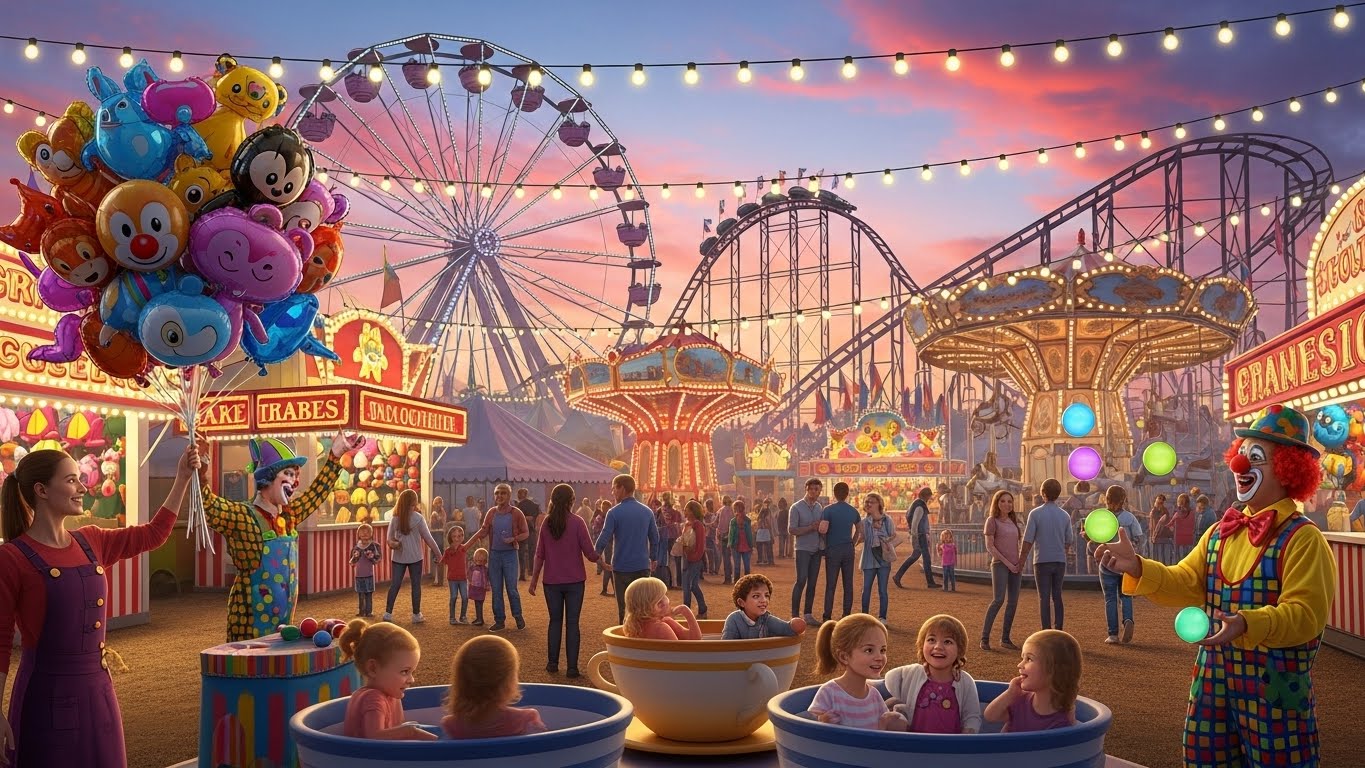
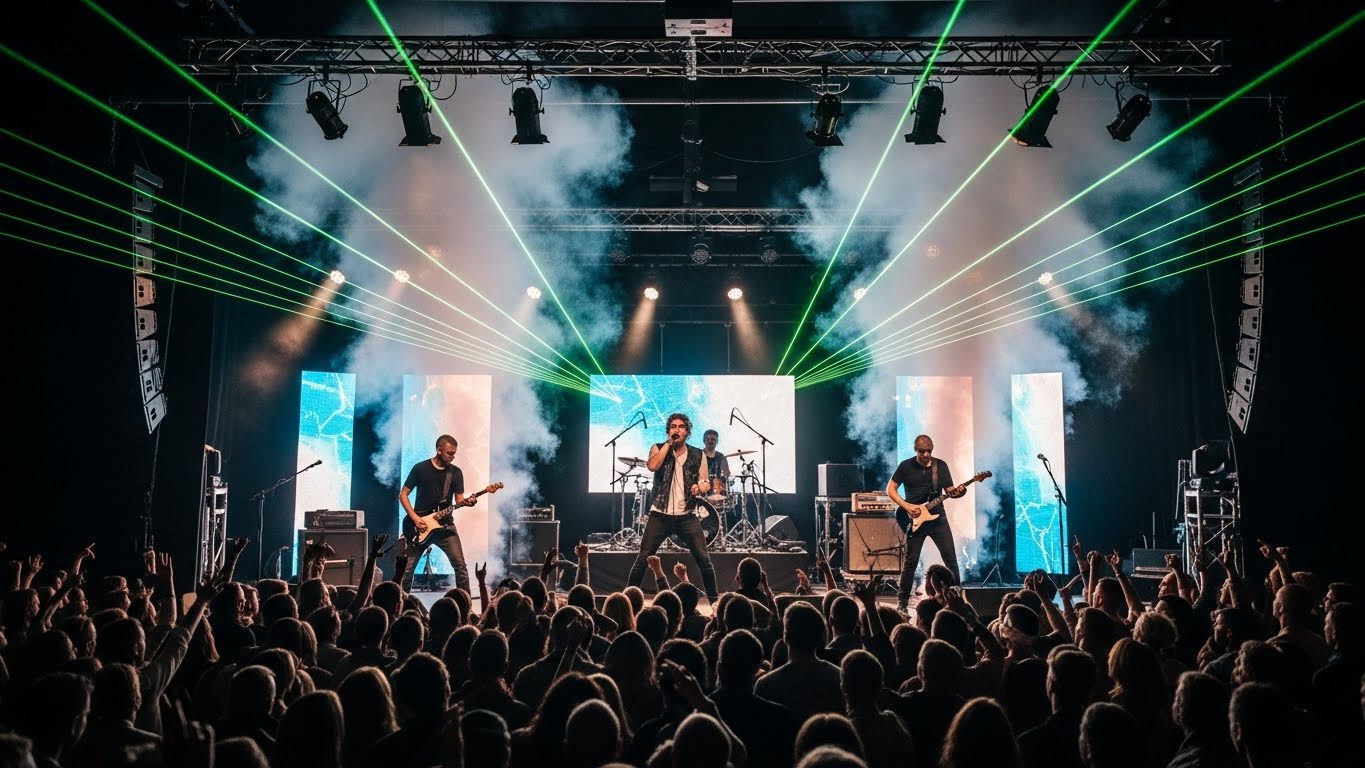
Live concerts incorporate holograms, interactive light shows, and synchronized digital effects. Museums host immersive exhibitions that transport visitors into historical settings. Theme parks blend physical rides with digital overlays. Entertainment today is not just seen or heard—it is felt.
Gaming as a Cultural Powerhouse
Gaming is no longer a niche hobby; it is one of the largest and most influential forms of entertainment in the world. Games combine storytelling, competition, creativity, and social interaction. They offer escape, challenge, community, and even opportunities for professional careers.
The gaming industry’s impact extends far beyond the screen. Esports tournaments fill stadiums. Game-inspired movies and series dominate streaming platforms. Even educational systems integrate game-based learning to boost engagement. Gaming has become a universal language that bridges age, gender, and cultural backgrounds.
The Return of Live Entertainment
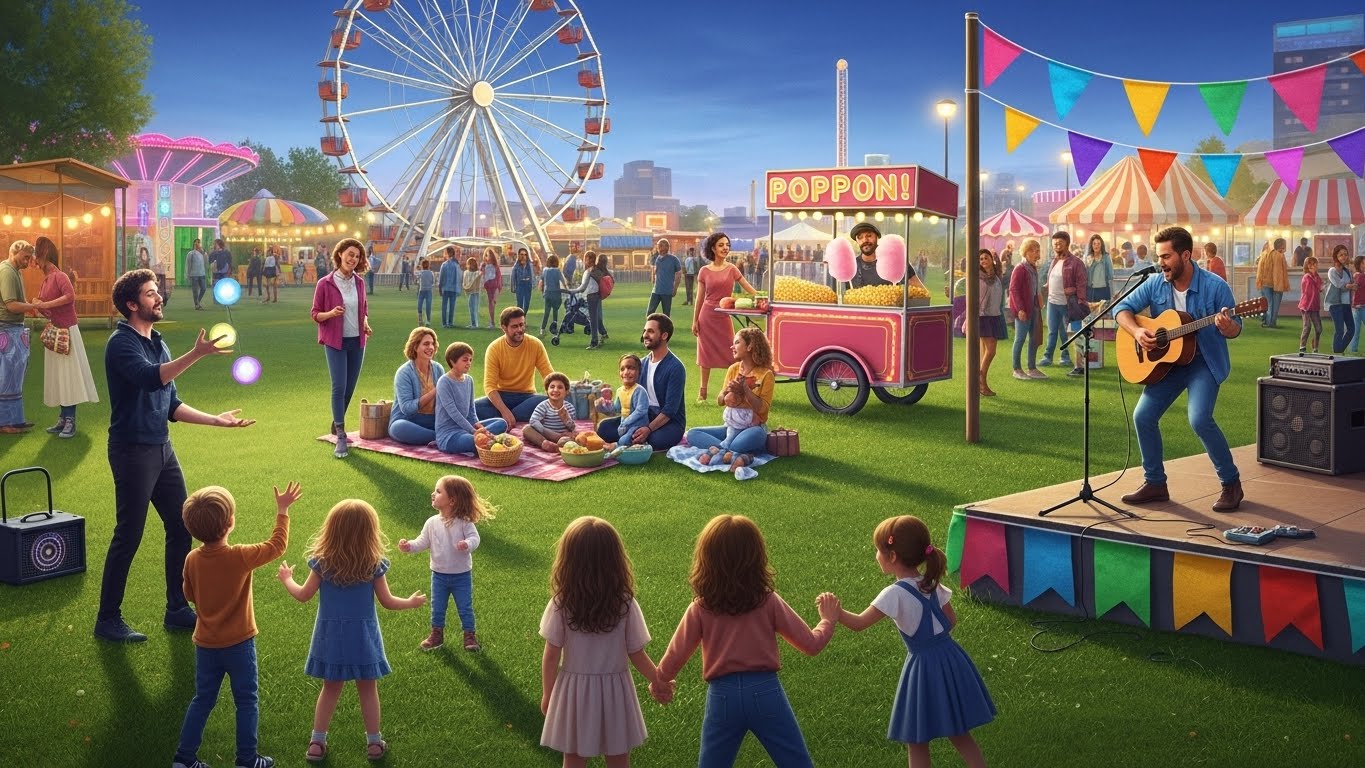
While digital entertainment thrives, live shows are experiencing a resurgence. Concerts, theater performances, comedy shows, and festivals offer something digital screens can’t replicate—a sense of connection.
People crave real-time reactions, shared emotions, and physical presence. Live entertainment unites strangers through laughter, music, and storytelling. After periods of isolation around the world, audiences appreciate these experiences more deeply. Performers too are embracing innovative techniques, blending digital effects with traditional craftsmanship to create unforgettable moments.
The Social Media Effect: Entertainment on Demand
Social media platforms have become powerful entertainment hubs. They provide constant streams of short, captivating content. Creators can share their talents instantly—and anyone can go viral overnight.
This democratization of entertainment challenges traditional gatekeepers. Musicians launch careers from bedroom studios. Comedians build fan bases through quick clips. Mini-series thrive on short-form platforms, proving attention spans aren’t shrinking but evolving.
However, social media also comes with challenges. It shapes trends at lightning speed, influences self-image, and sometimes overwhelms users with information. Despite this, its role in shaping modern entertainment is undeniable and continuously expanding.
Nostalgia: The Timeless Entertainment Trend
Interestingly, while entertainment races toward innovation, one of its strongest trends is nostalgia. Audiences love revisiting old favorites—classic films, retro games, iconic songs, and childhood franchises.
Nostalgia brings comfort. It reconnects us with simpler moments, familiar characters, and cherished memories. Entertainment creators recognize this and often blend nostalgia with modern storytelling, giving old worlds new life while keeping longtime fans engaged.
The Power of Music in Emotional Storytelling
Music remains one of the most emotional forms of entertainment. It influences our mood, enhances experiences, and helps us express feelings we can’t always put into words. With streaming apps, people can carry entire music libraries in their pockets.
New genres have emerged as artists experiment across cultures and traditions. Global collaborations blur boundaries and redefine what mainstream music can be. Music videos, once simple promotional tools, have become cinematic masterpieces that add visual depth to songs.
The Influence of Entertainment on Lifestyle and Identity
Modern entertainment shapes far more than our spare time—it influences language, fashion, social attitudes, and personal identity. Popular phrases from shows enter everyday speech. Gaming aesthetics influence graphic design and streetwear. Films inspire social movements and spark important discussions.
Entertainment doesn’t just reflect society; it guides it. Audiences learn empathy through characters’ journeys, expand their worldview through diverse stories, and discover new interests through exposure to unique art forms. This power makes entertainment a tool for personal growth and cultural understanding.
Celebrity Culture and the Era of Digital Stardom
In the digital age, celebrities are not limited to movie stars or musicians. Influencers, gamers, podcasters, and content creators build massive followings. Many of them share daily routines, personal struggles, and behind-the-scenes glimpses, creating a sense of closeness with fans.
This shift has changed how people relate to fame. Today’s audience values authenticity and relatability. Celebrities who connect meaningfully with their communities often enjoy longer, more stable careers than those who rely solely on traditional stardom.
The Business Behind the Entertainment Magic
While entertainment feels effortless to consumers, it is supported by a massive ecosystem. Writers, directors, producers, designers, sound engineers, marketers, and countless others bring stories to life.
The industry constantly adapts to changes in technology, audience preferences, and global trends. New business models emerge—from subscription services to micro-transactions in games—allowing creators to reach audiences worldwide.
Despite challenges, the entertainment industry remains one of the most resilient. Its ability to evolve ensures its survival and continuous relevance.
How Entertainment Shapes Our Mental and Emotional Health
Entertainment is more than distraction; it is emotional nourishment. Movies help us escape stress. Music calms anxiety or boosts energy. Games sharpen focus and relieve tension. Books transport us to imagined worlds.
Balanced consumption of entertainment brings joy, creativity, and mental stimulation. It offers comfort during difficult times and can be a powerful tool for self-reflection. However, moderation is essential. Understanding when entertainment supports well-being—and when overindulgence might harm—is part of developing a healthy digital lifestyle.
Looking Ahead: The Future of Entertainment
The future promises experiences beyond imagination. Artificial intelligence will create personalized stories tailored to each viewer. Holographic performances may become common. Interactive narratives will give audiences the ability to shape plots in real time. The boundaries between reality and fiction will continue to blur.
But no matter how advanced entertainment becomes, its purpose will remain the same: to captivate hearts, inspire minds, and connect people through shared experiences.
Conclusion: A World Built on Stories and Imagination
Entertainment is one of humanity’s most powerful creations. It reflects who we are, fuels our dreams, and helps us understand one another. In a world that moves faster each decade, entertainment provides both escape and connection. It evolves with us, adapts to our needs, and continues to inspire in ways both grand and simple.
From digital universes to nostalgic classics, from social media clips to live performances, entertainment shapes the rhythm of our lives. As we step into an era of limitless possibilities, one thing is certain—our love for stories will always remain at the heart of human experience.