
Introduction: Entertainment as a Daily Companion
Entertainment is no longer a luxury reserved for weekends or special occasions; it has become a constant presence in our everyday lives. From the moment we wake up to the time we fall asleep, entertainment quietly weaves itself into our routines through music, films, television, games, social media, and live performances. It reflects who we are, what we value, and how we connect with others. More than simple amusement, entertainment today acts as an emotional outlet, a cultural mirror, and a powerful industry that shapes opinions, trends, and even identities.
The Evolution of Entertainment Through Time
Entertainment has evolved alongside human civilization. In ancient times, storytelling around fires, folk music, and theatrical performances were the primary sources of amusement and education. As societies advanced, entertainment took on new forms such as stage plays, literature, and public spectacles. The invention of radio and cinema marked a major turning point, bringing shared experiences to mass audiences. Later, television transformed living rooms into centers of entertainment, and today, digital platforms have placed endless options directly into our hands. This evolution highlights humanity’s constant desire for stories, emotion, and shared experiences.
The Power of Storytelling in Entertainment
At the heart of all entertainment lies storytelling. Whether it is a blockbuster movie, a television series, a novel, or a video game, stories are what captivate us. They allow us to escape reality while also helping us understand it better. Through characters and narratives, we explore love, conflict, ambition, fear, and hope. Good stories create emotional bonds, making audiences laugh, cry, and reflect. In a fast-paced world, storytelling provides meaning and continuity, reminding us of shared human experiences across cultures and generations.
Music as an Emotional Language
Music is one of the most universal forms of entertainment. It transcends language barriers and speaks directly to emotions. A single song can evoke memories, boost motivation, or provide comfort during difficult times. Different genres cater to different moods and identities, allowing people to express themselves and feel understood. In modern life, music accompanies workouts, commutes, celebrations, and moments of solitude. Its ability to connect people emotionally makes it a powerful and timeless form of entertainment.
Cinema and Television as Cultural Mirrors
Movies and television shows do more than entertain; they reflect society’s values, struggles, and aspirations. Through visual storytelling, they explore themes such as family, justice, identity, and social change. Cinema has the power to influence fashion, language, and behavior, while television series create long-term emotional engagement with characters and storylines. With the rise of diverse content, audiences are now exposed to different cultures and perspectives, fostering empathy and global awareness.
The Digital Revolution in Entertainment
The digital age has completely transformed how entertainment is created, distributed, and consumed. Streaming platforms, social media, and online content have given audiences greater control over what they watch and when they watch it. Traditional boundaries between creators and consumers have blurred, allowing individuals to become content creators themselves. This shift has democratized entertainment, providing opportunities for fresh voices and innovative ideas. However, it has also increased competition and shortened attention spans, challenging creators to be more engaging than ever.
Gaming as Interactive Entertainment
Video games have emerged as one of the most influential forms of modern entertainment. Unlike passive media, gaming offers interactive experiences that engage players mentally and emotionally. Games combine storytelling, visual art, music, and technology to create immersive worlds. They encourage problem-solving, teamwork, and creativity. For many, gaming is not just a hobby but a social activity that builds communities and friendships across the globe. Its growing popularity highlights the demand for entertainment that actively involves the audience.
Live Entertainment and Shared Experiences
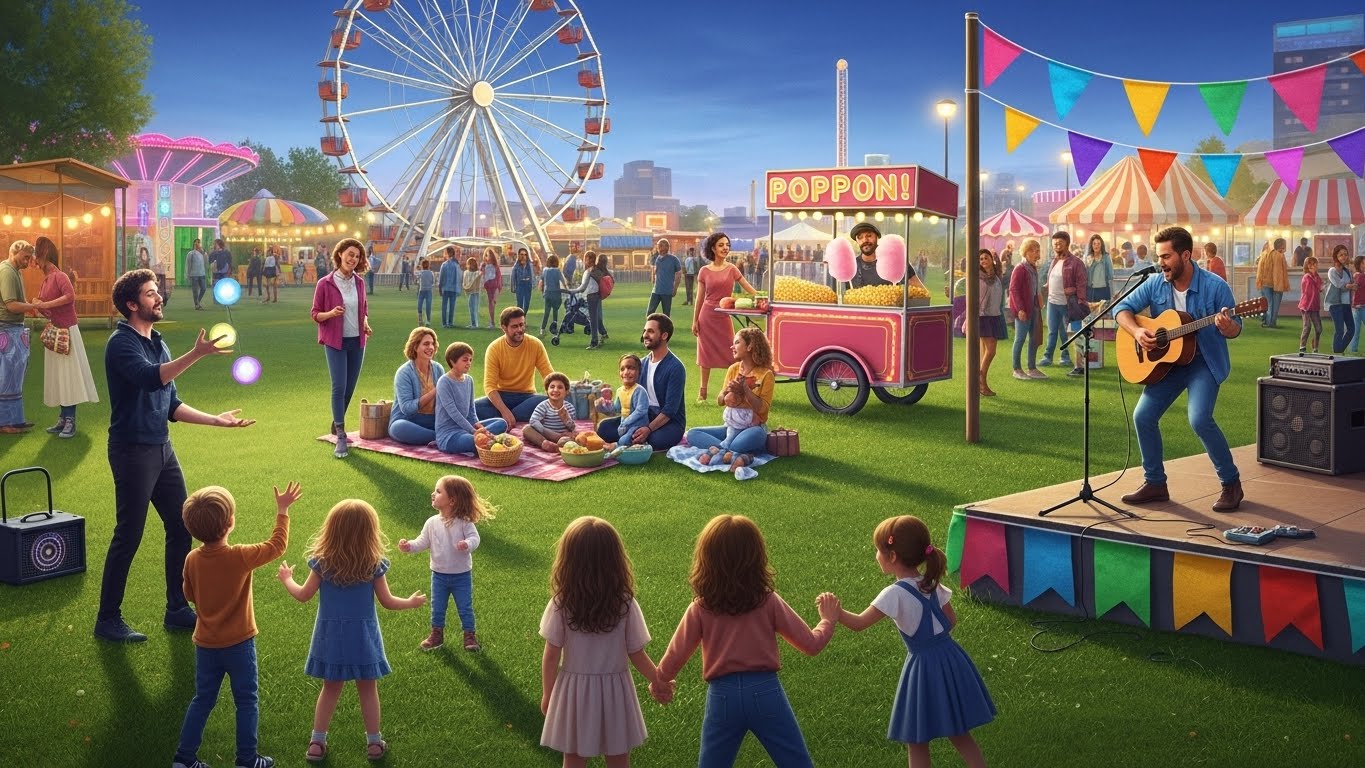
Despite the rise of digital media, live entertainment remains deeply impactful. Concerts, theater performances, comedy shows, and sports events create shared experiences that cannot be replicated on a screen. The energy of a live audience, the unpredictability of performances, and the emotional connection between performers and spectators make live entertainment unique. These experiences foster a sense of belonging and collective joy, reminding us of the importance of human connection in an increasingly virtual world.
Entertainment and Mental Well-Being
Entertainment plays a significant role in mental and emotional well-being. It offers relaxation, stress relief, and an escape from daily pressures. Laughter, music, and engaging stories can improve mood and provide comfort during challenging times. However, balance is essential. While entertainment can be healing, excessive consumption may lead to isolation or distraction from responsibilities. When used mindfully, entertainment becomes a healthy tool for self-care and emotional balance.
The Business Side of Entertainment
Behind the glamour and creativity lies a massive industry that employs millions of people worldwide. Writers, actors, musicians, technicians, designers, and marketers all contribute to the entertainment ecosystem. This industry drives economic growth and innovation, constantly adapting to audience preferences and technological advancements. The business of entertainment is highly competitive, pushing creators to experiment with new formats and ideas to capture attention in a crowded market.
The Future of Entertainment
The future of entertainment promises even greater integration of technology and creativity. Advancements in virtual reality, artificial intelligence, and immersive experiences are likely to redefine how audiences interact with content. Entertainment may become more personalized, interactive, and immersive, offering experiences tailored to individual preferences. While technology will continue to evolve, the core purpose of entertainment will remain the same: to tell stories, evoke emotions, and bring people together.
Conclusion: Entertainment as a Reflection of Humanity
Entertainment is far more than a source of fun; it is a reflection of human imagination, emotion, and culture. It connects people across boundaries, provides comfort in difficult times, and inspires creativity and change. As entertainment continues to evolve, it will remain an essential part of our lives, shaping how we see the world and ourselves. In every song, story, and performance, entertainment reminds us of our shared humanity and our endless desire to feel, connect, and dream.