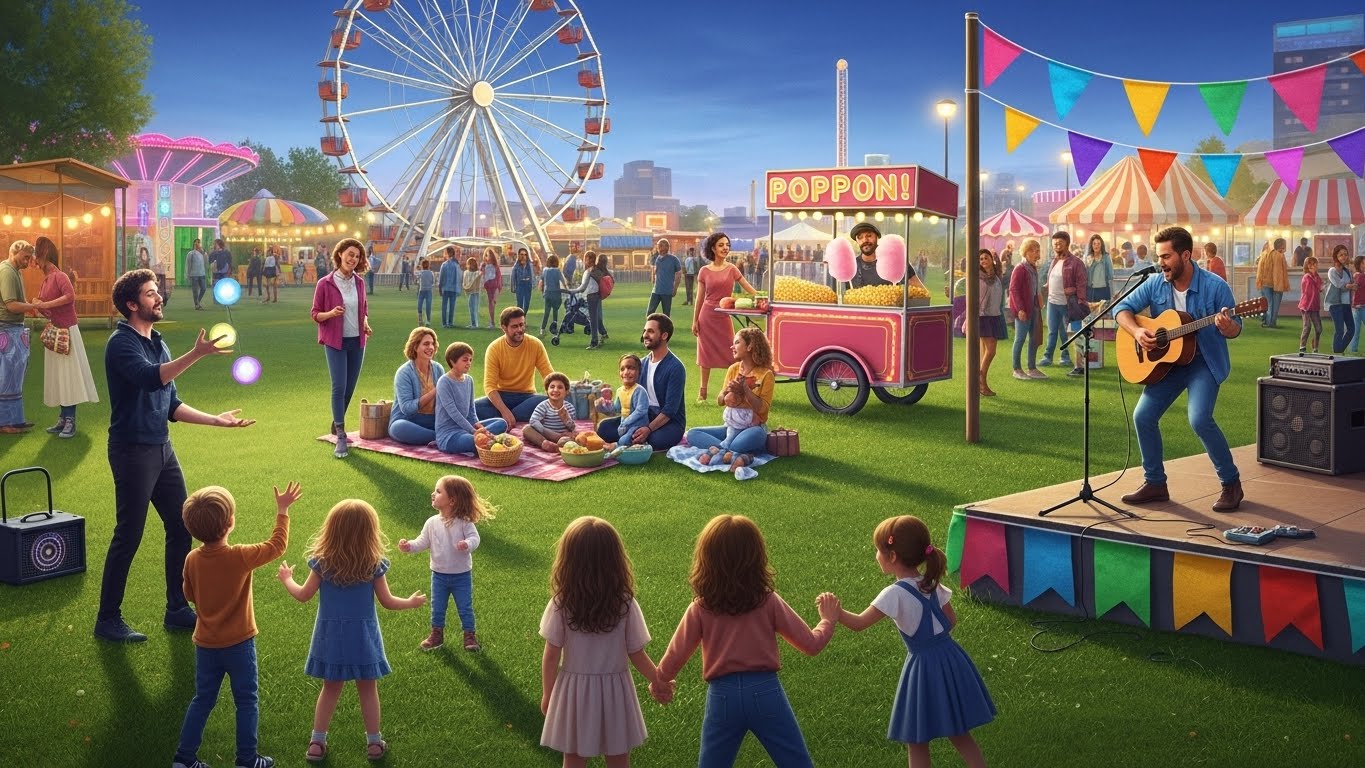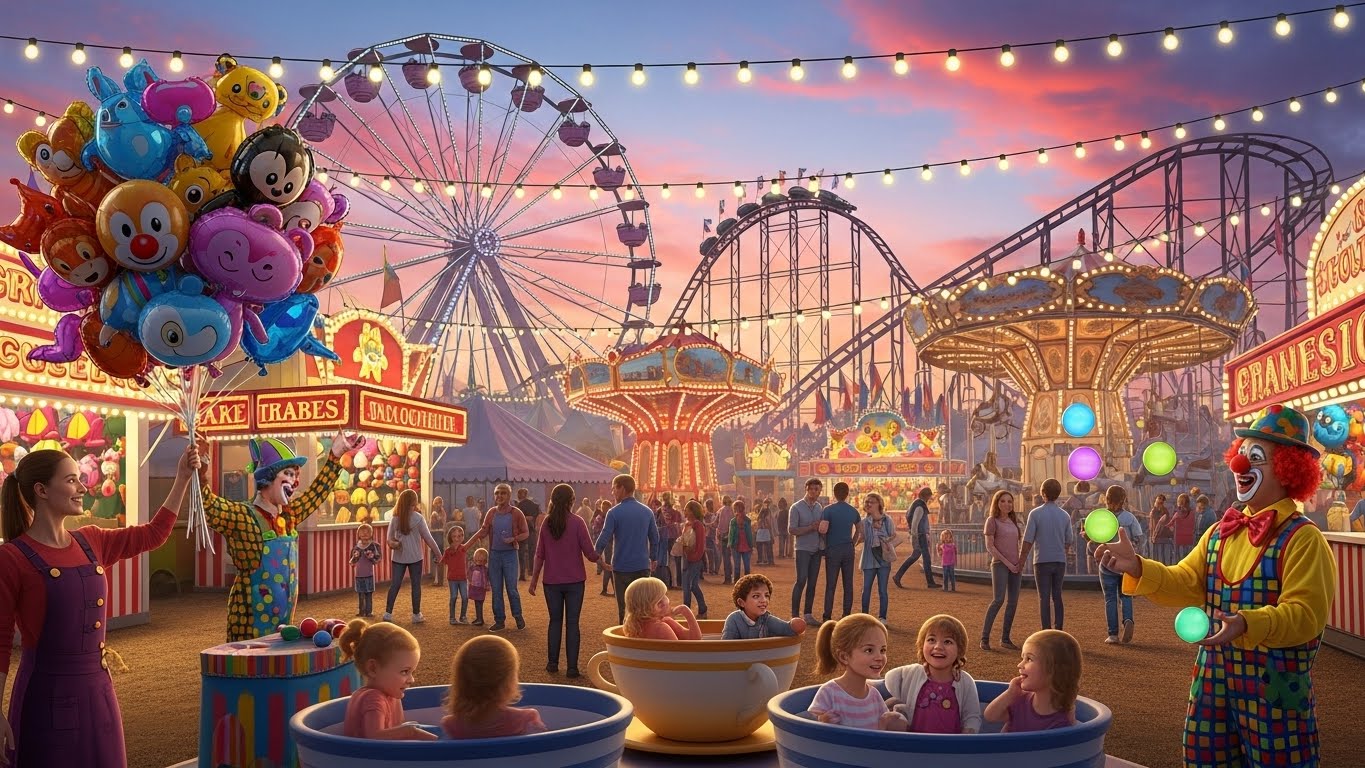
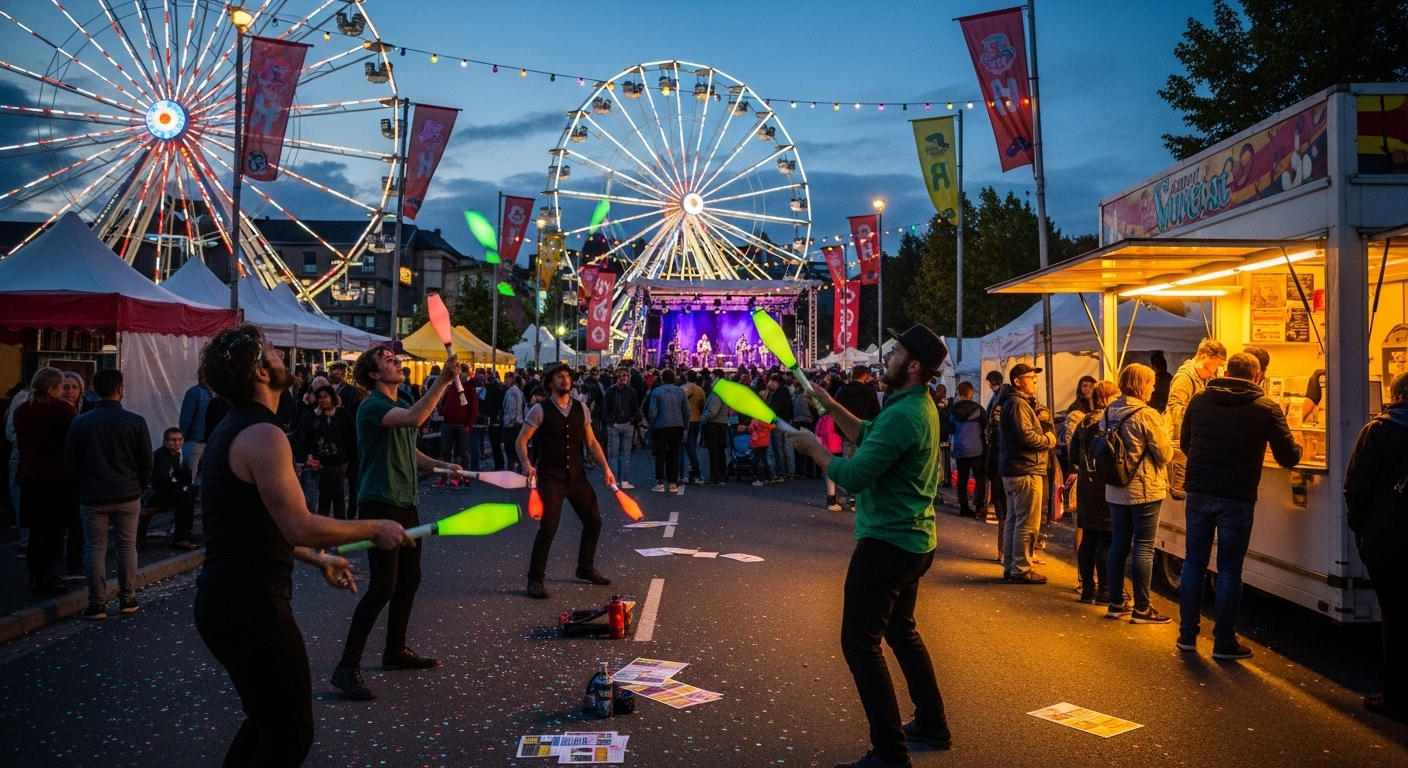
Entertainment is a universal language. From ancient civilizations to modern times, humans have always sought ways to relax, enjoy, and escape from the daily grind. What began as simple communal activities has evolved into a multi-billion-dollar global industry, offering endless choices in how we entertain ourselves. The rise of digital technology, shifting cultural trends, and changing lifestyles continue to shape the entertainment landscape. In this blog post, we will delve into the various forms of entertainment, how they’ve evolved over the years, and where they are headed in the future.
The Roots of Entertainment: From Storytelling to Performances
Long before the invention of television or the internet, entertainment began with the most basic human activity: storytelling. In ancient societies, people would gather around a fire, sharing stories, myths, and legends. These stories were not just for amusement—they served as vital tools for preserving history, teaching moral lessons, and bringing communities together. Music and dance were also early forms of entertainment, often tied to religious or social rituals.
As civilizations grew, so did the complexity of entertainment. In ancient Greece, for instance, theater became an art form, with playwrights like Sophocles and Euripides creating works that are still studied today. Similarly, the Romans enjoyed gladiator games and public spectacles, which were as much about social status and power as they were about providing entertainment.
The Emergence of Mass Media: Radio, TV, and Film
Fast forward to the 20th century, and entertainment began to take on an entirely new shape with the advent of mass media. Radio, television, and cinema revolutionized the way people experienced entertainment. For the first time, entertainment could be broadcasted to millions of people at once. The early days of radio were marked by live performances, news broadcasts, and serialized dramas, which helped create a sense of shared experience.
Television furthered this transformation, bringing family-friendly shows, news programs, and blockbuster movies directly into homes. The 1950s and 1960s marked a golden age of television, with shows like I Love Lucy and The Twilight Zone becoming cultural touchstones. Meanwhile, cinema flourished with the release of iconic films that still have a lasting impact today—movies like Gone with the Wind, The Godfather, and Star Wars.
The Digital Revolution: Streaming and Interactive Media
By the late 20th century, the digital revolution began reshaping entertainment once again. The rise of the internet brought about significant changes in how we consume content. In the past, watching a movie or listening to music meant going to the theater or buying physical media like DVDs and CDs. But with the rise of streaming services, platforms like Netflix, Spotify, and YouTube made entertainment more accessible than ever before.
Streaming has democratized entertainment, giving audiences the freedom to choose what, when, and where they want to consume media. Binge-watching entire seasons of shows, downloading music on-demand, or watching a live-streamed event has become the norm for many. Additionally, the internet has created new opportunities for content creators. Platforms like Twitch and TikTok allow anyone with a camera and an internet connection to share their talent, ideas, and creativity with the world.
Video games also underwent a revolution during this time. What started as simple pixelated games like Pong and Space Invaders grew into complex, immersive experiences with expansive storylines and highly detailed graphics. The rise of online multiplayer games, like Fortnite and League of Legends, has transformed gaming into a global, interactive social activity. Esports has even emerged as a professional field, with tournaments and sponsorships worth millions of dollars.
The Future of Entertainment: Immersive and Personalized Experiences
As technology continues to evolve, the future of entertainment is poised to be more immersive, interactive, and personalized than ever before. Virtual reality (VR) and augmented reality (AR) are already making waves in gaming and entertainment, offering users the chance to step into entirely new worlds. Imagine attending a concert in VR, where you can walk around and interact with the environment or experience a movie as if you were part of the storyline.
Artificial intelligence (AI) is another game-changer. It’s already being used in content creation, helping to generate music, art, and even scripts. AI-driven recommendations help us discover new music, films, and TV shows based on our preferences, making entertainment more tailored to the individual. In the near future, we may even see AI creating personalized experiences in real-time, allowing us to interact with stories or media in ways we never thought possible.
Blockchain technology is also starting to have an impact on entertainment. NFTs (Non-Fungible Tokens) are allowing artists, musicians, and creators to monetize their work in new ways, providing fans with digital collectibles or exclusive content. The rise of decentralized content distribution may challenge traditional models, opening up opportunities for creators to connect directly with their audience.
Conclusion: A Landscape in Constant Change
The world of entertainment is constantly evolving, adapting to the needs and desires of its audience. From oral traditions and live performances to radio, television, and digital streaming, the forms of entertainment may have changed, but the underlying human desire for joy, escape, and connection remains the same. As technology continues to advance, entertainment will only become more interactive, immersive, and personalized, offering endless possibilities for how we engage with the stories, games, and experiences that define our world.
The future of entertainment is as exciting as it is unpredictable. Whether you prefer the nostalgia of classic films or the thrill of VR gaming, there’s no doubt that the entertainment industry will continue to captivate, inspire, and unite people across the globe.